

Creative Freedom Journal
This space is a personal journal of art, creativity, and everyday inspiration. Through short reflections, images, and moments from daily life, these diary entries share the thoughts, processes, and quiet observations that shape the art of living. It is a place to slow down, notice beauty, and follow creativity as it unfolds naturally.
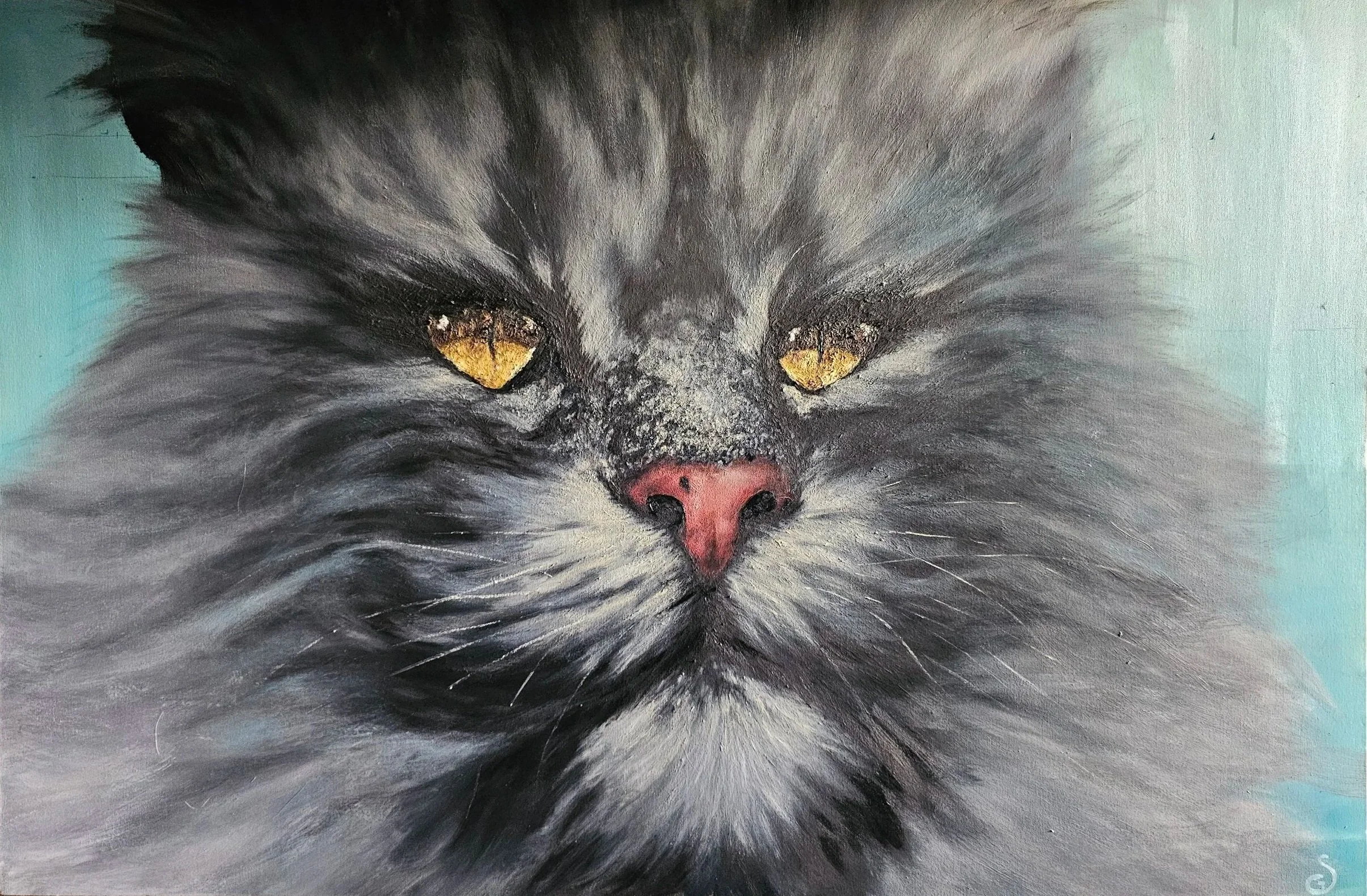
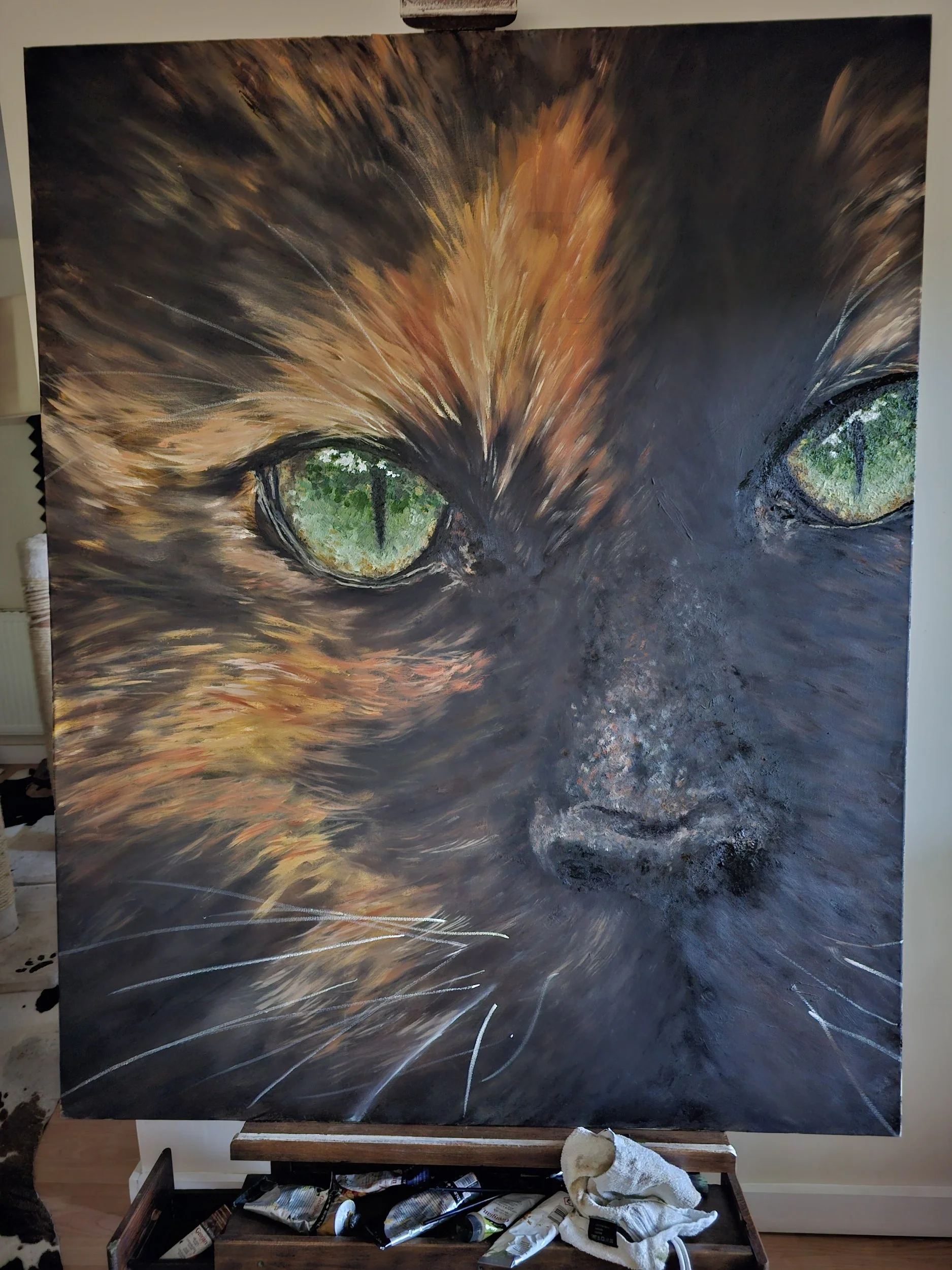
Discover Muta, an original silver cat oil painting by SG-Art, measuring 180 × 120 cm. Available for £5,400 through the Society of Feline Artists online exhibition, 17 October–15 November 2026.
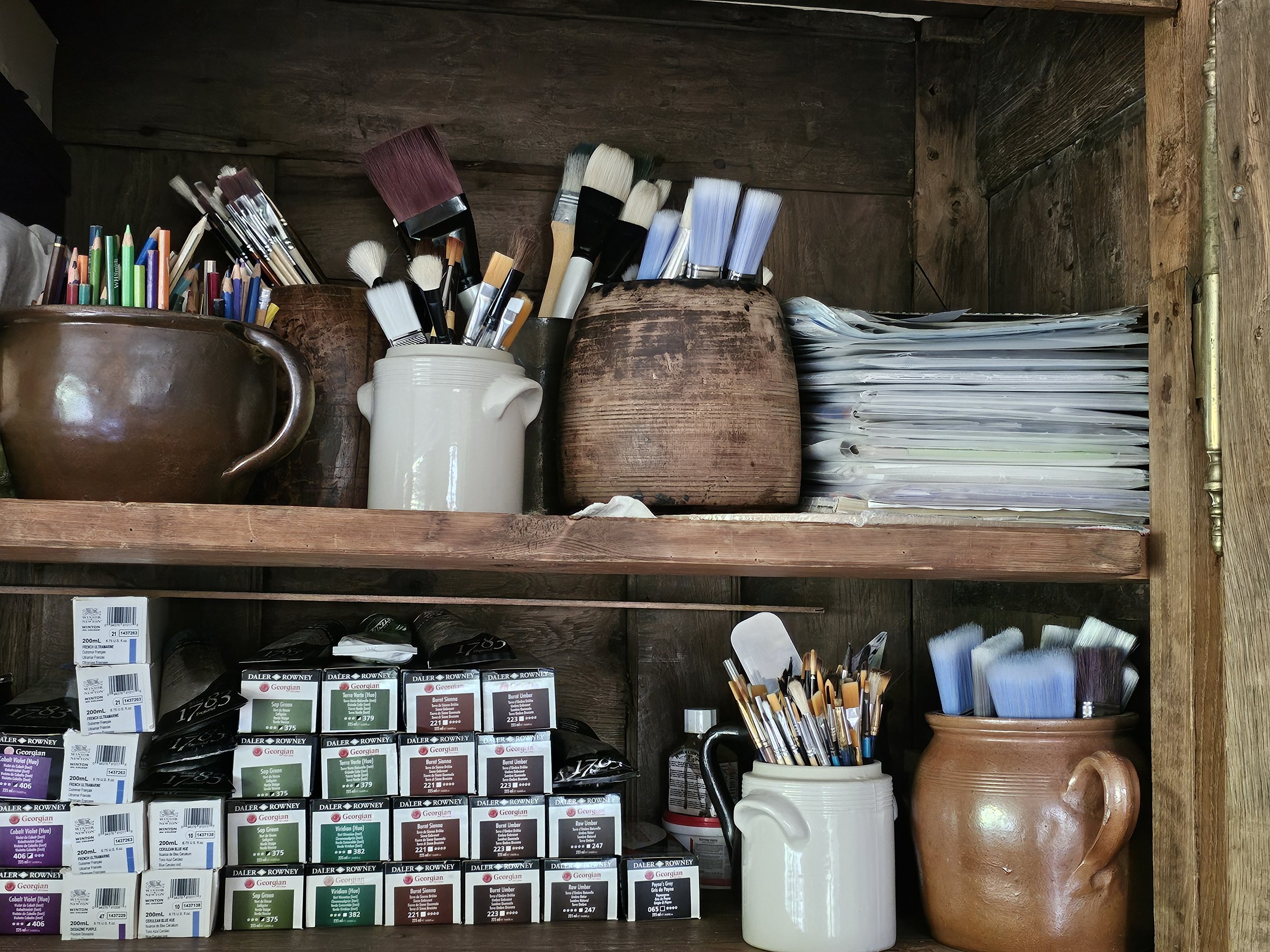
A quiet look inside the SG-Art studio and the process behind painting: composition, colour, close-up figures, restraint and learning how to see.
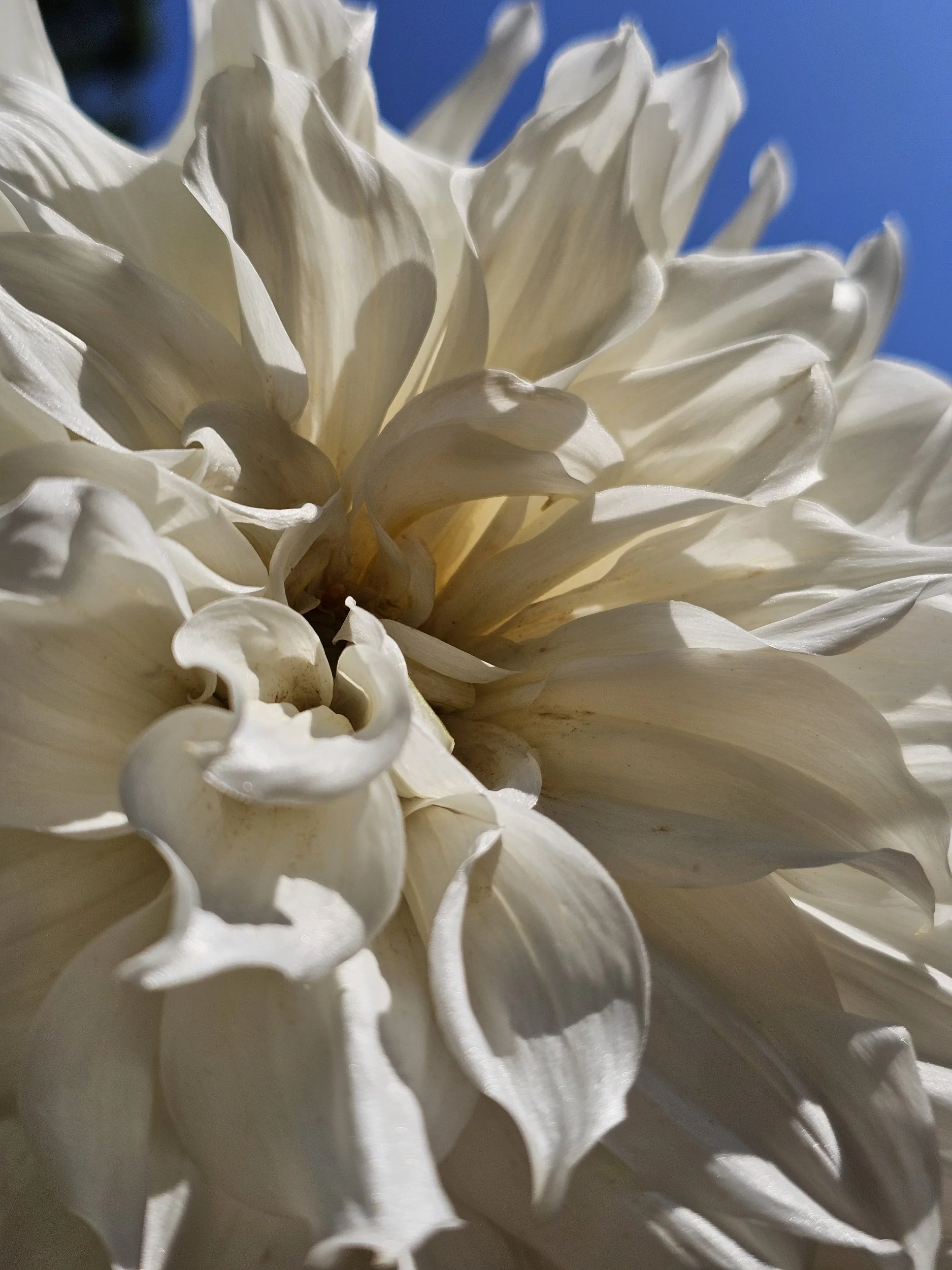
A beautiful home does not need to feel perfect. Discover how light, texture, natural materials, meaningful objects and art can create a calm, refined home that feels genuinely lived in.
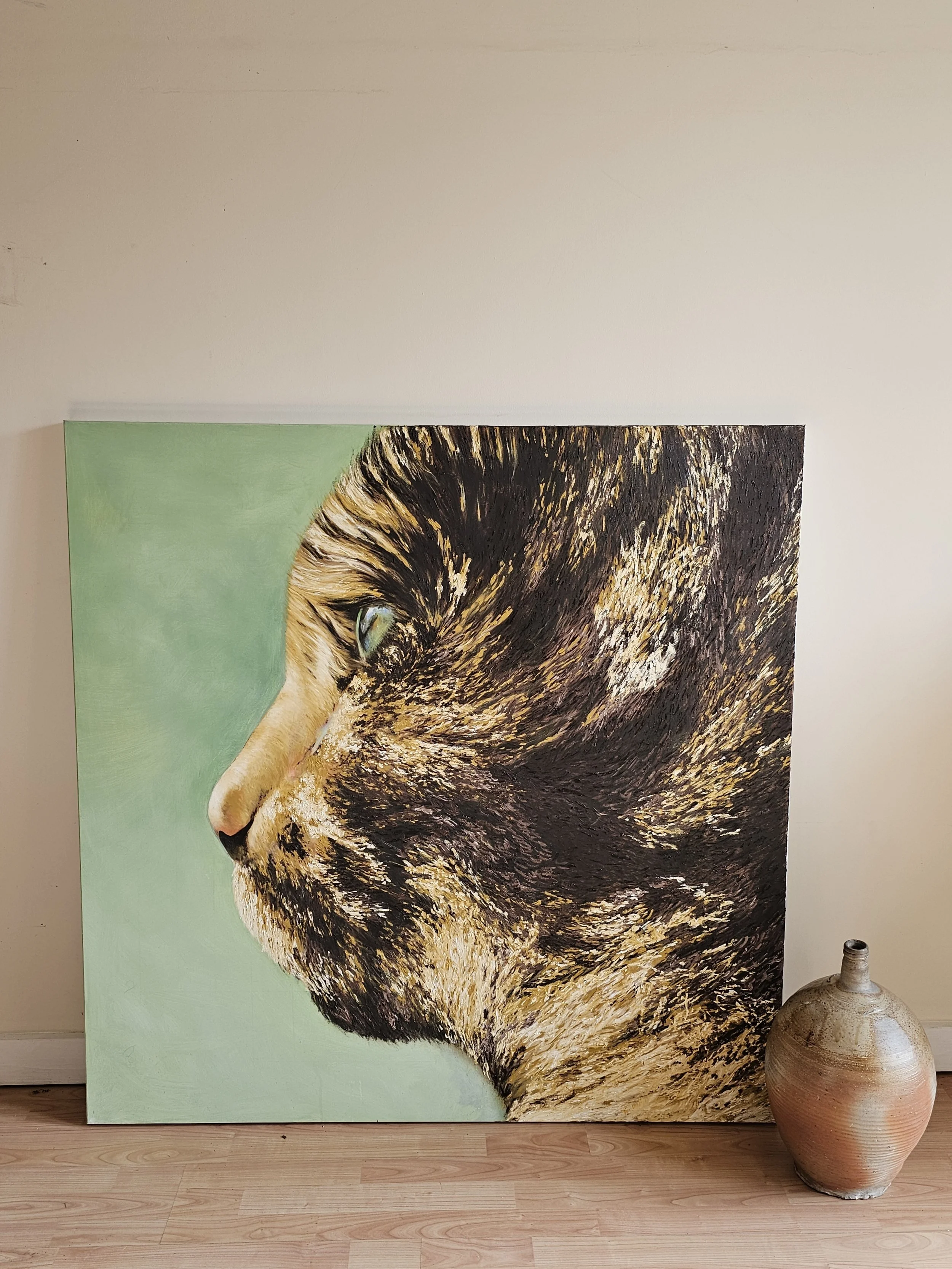
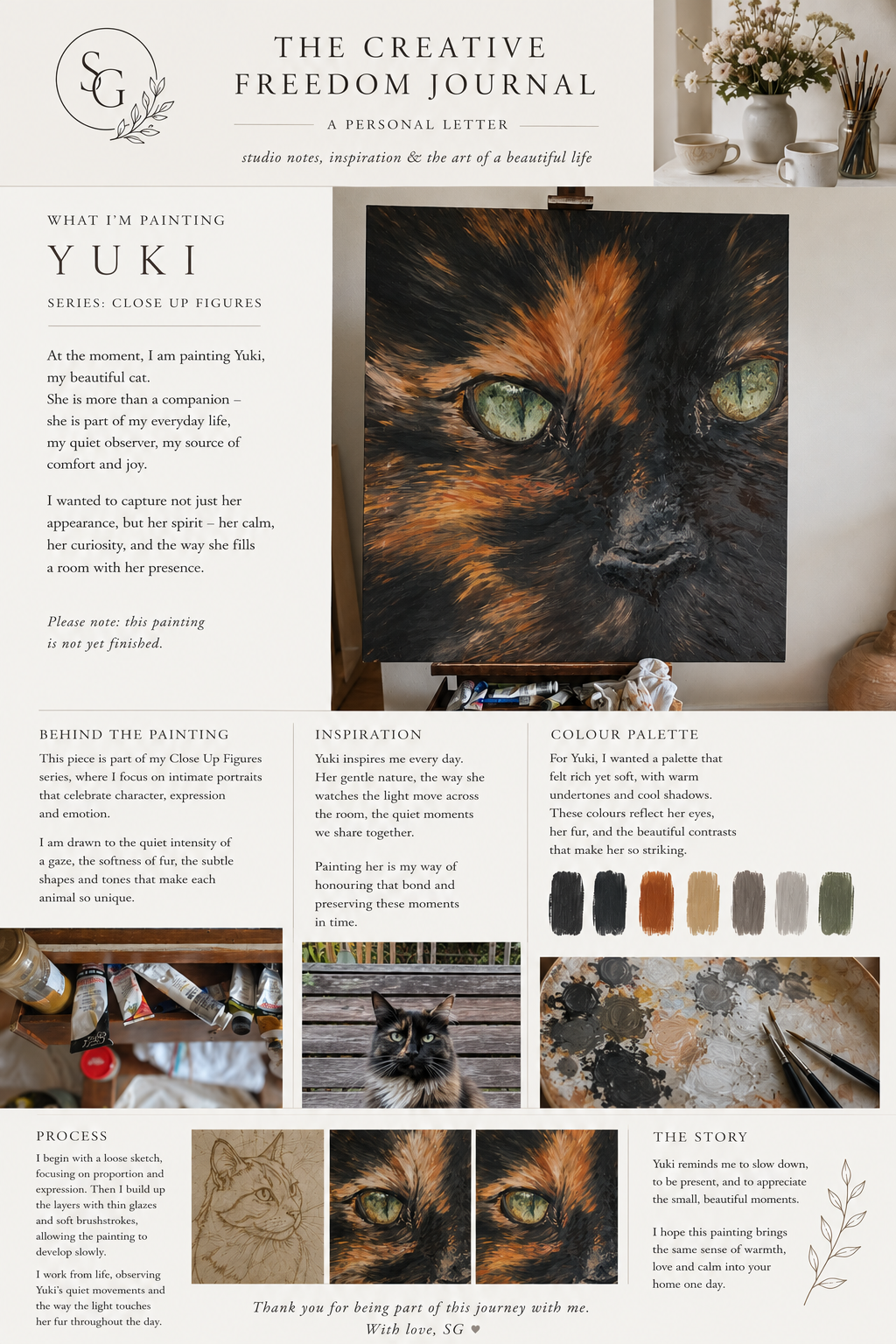
Why paint close-up? SG explores her Close-Up Figures series, painting Yuki and Muta, and the intimacy of bringing a subject closer so we can truly look.
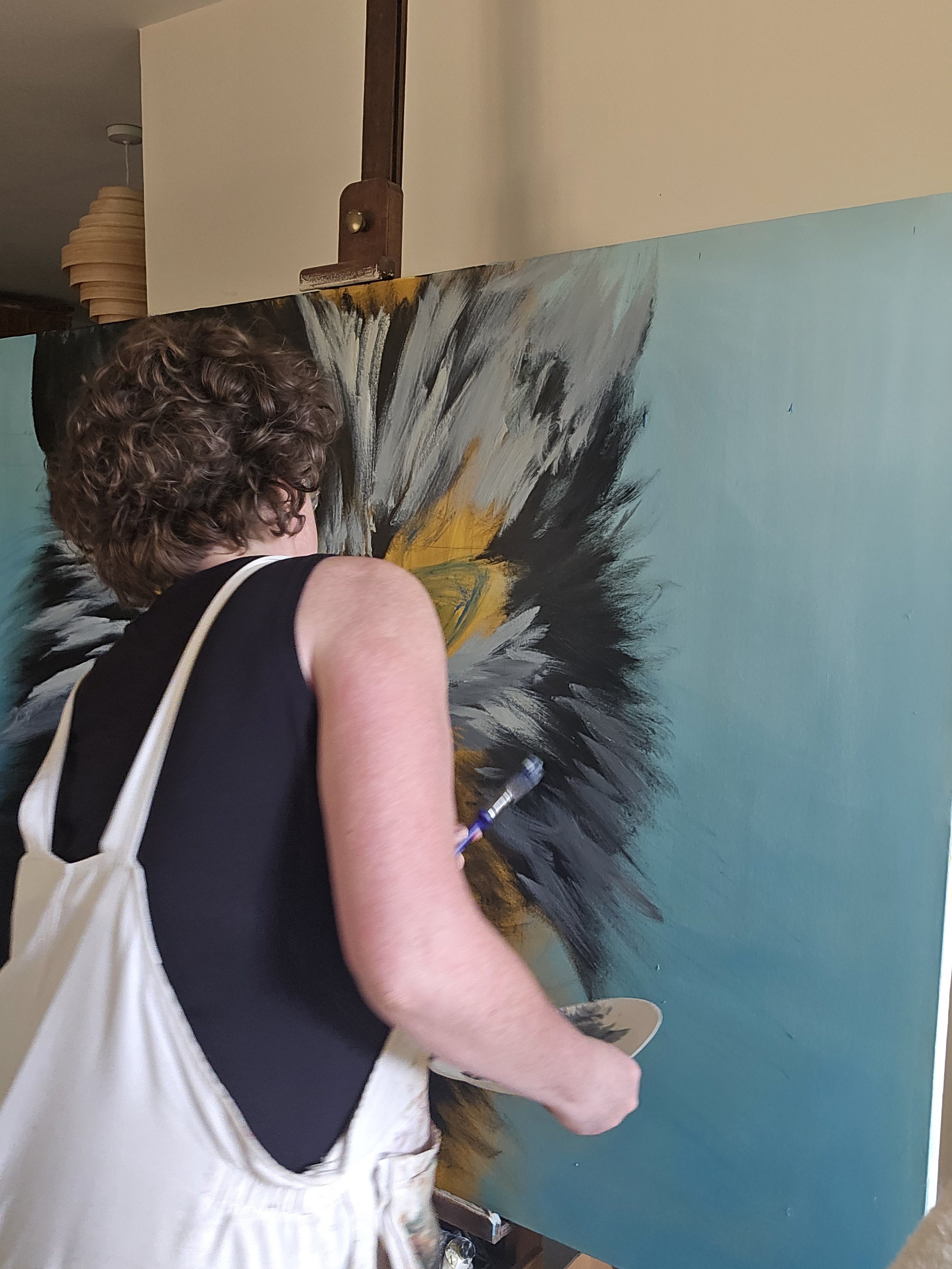
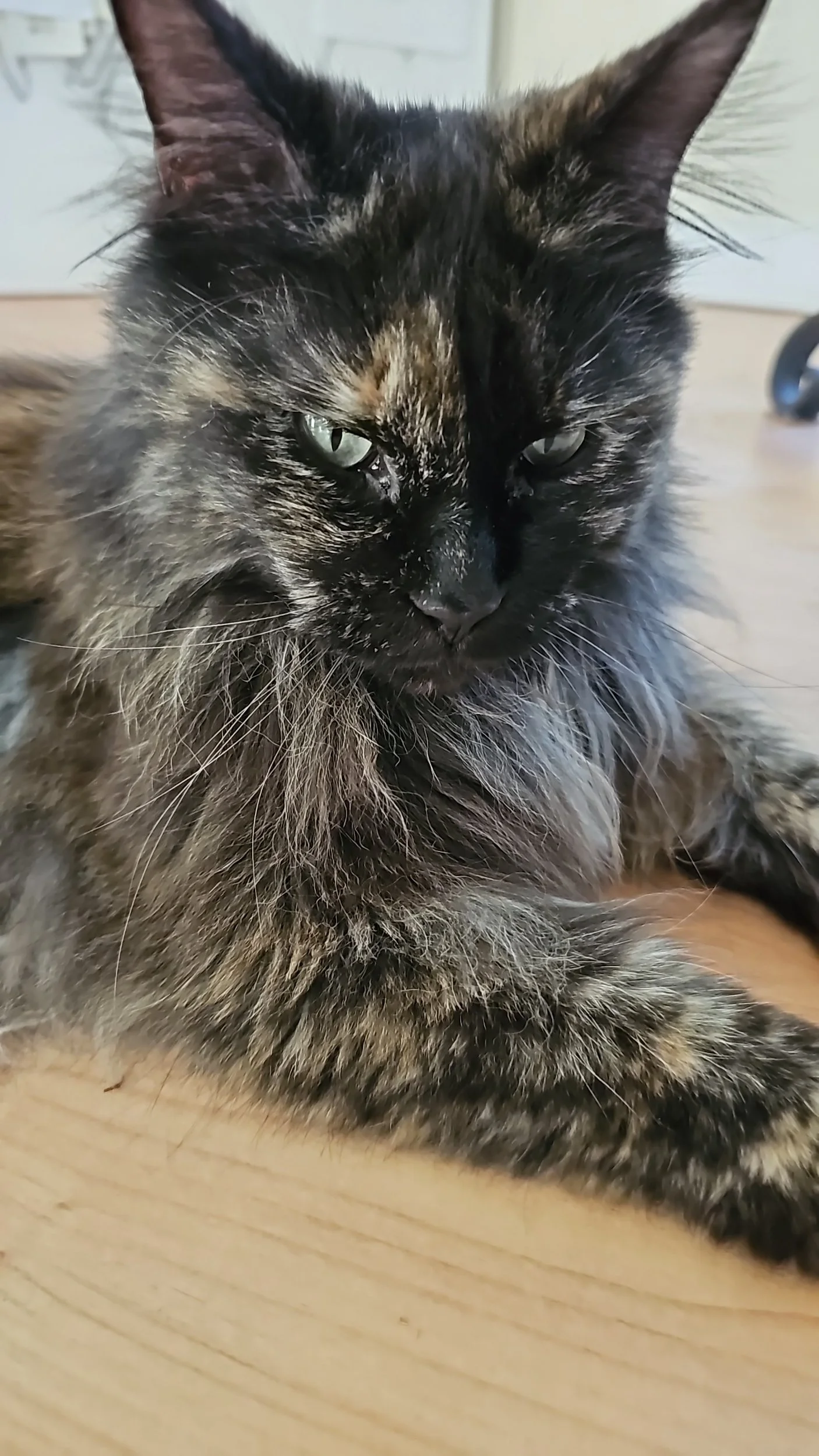
Some paintings begin with an idea. Others begin with a feeling. Muta began with a photograph.
It was not simply a photograph of a cat that made me want to paint him. There was something in his expression, his stillness and the particular quality of his face that stayed with me. The longer I looked at the image, the more I began to see beyond the subject itself, the structure of the face, the changing silver tones of the coat, the quietness in his expression. I knew almost immediately that I wanted to paint him very large.
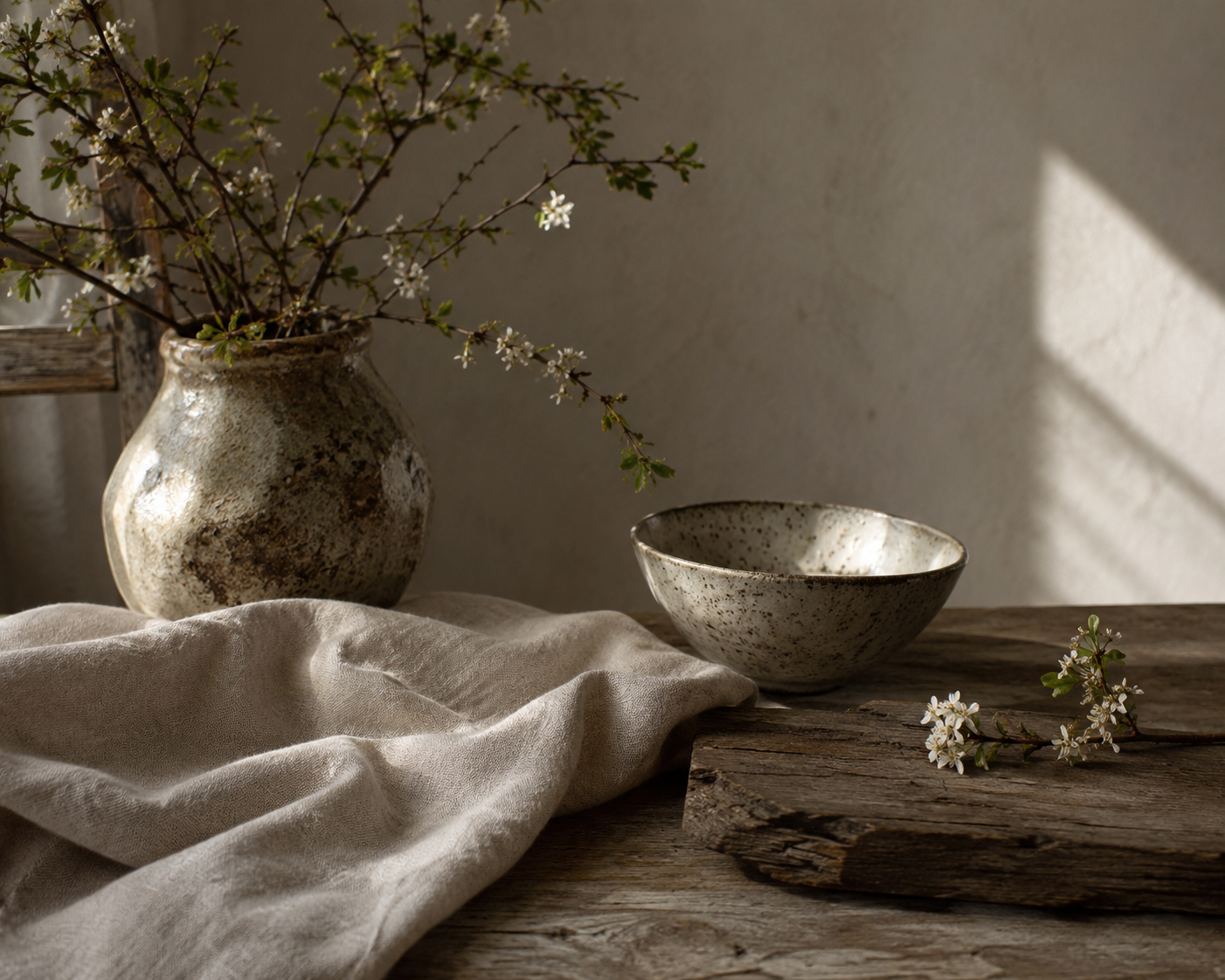
There was a time when I thought of art as something that happened in a particular place. In a studio. On a canvas. With brushes laid out beside a palette, and perhaps a few quiet hours in which to disappear from the rest of the world. I no longer see it that way.
For me, art has become inseparable from the way I look at everything else, the light falling across a room, the shape of an old wooden table, the changing colours of a garden, the character in a cat's eyes, the texture of linen, the imperfect edge of a handmade bowl. Art is not simply something I make. It is a way of seeing.
"The longer I paint, the more I realise that art is less about learning how to paint, and more about learning how to see."
There are days in the studio when everything seems to flow. The colours find one another almost effortlessly. A brushstroke lands exactly where it should. The painting quietly begins to breathe. Then there are other days. Days when nothing quite feels right. When I wipe away as much paint as I add. When I spend an hour adjusting something that no one else might ever notice. This painting of Yuki has been one of those teachers. Not because it is particularly difficult, although it certainly has its challenges, but because it refuses to let me rush.
"Every painting begins with a conversation. Sometimes that conversation is with a place. Sometimes it is with the changing light. And sometimes it begins with a pair of quiet, watchful eyes."
Welcome to The Creative Freedom Diary.
This diary is a place where I'd like to share not only my finished paintings but also the thoughts, discoveries and quiet moments that happen along the way. Painting is rarely a straight path. It is full of uncertainty, experimentation, small breakthroughs and lessons that reveal themselves one brushstroke at a time.
I hope you'll enjoy stepping into my studio and following the journey with me.

There is a particular kind of beauty that has always spoken to me. The soft light falling across a wall in the early morning. The quiet elegance of a garden after rain. The muted colours of the coast on a cloudy day. The gentle companionship of a beloved cat curled up in a sunny corner. The sense of peace that can be found in simple, everyday moments. These are the moments that inspire my paintings.
I have never been drawn to noise or excess. Instead, I am fascinated by stillness, by atmosphere, and by those fleeting moments of beauty that often go unnoticed. For me, painting is a way of slowing down and paying attention. It is an invitation to pause and appreciate the world around us.

Our homes have a profound effect on how we feel. They can energise us, inspire us and comfort us. They can also become a sanctuary, a place where we can slow down, breathe and reconnect with what truly matters. When creating a peaceful home, we often think about paint colours, furniture and lighting, but one of the most powerful elements is often overlooked:
The art we choose to surround ourselves with.
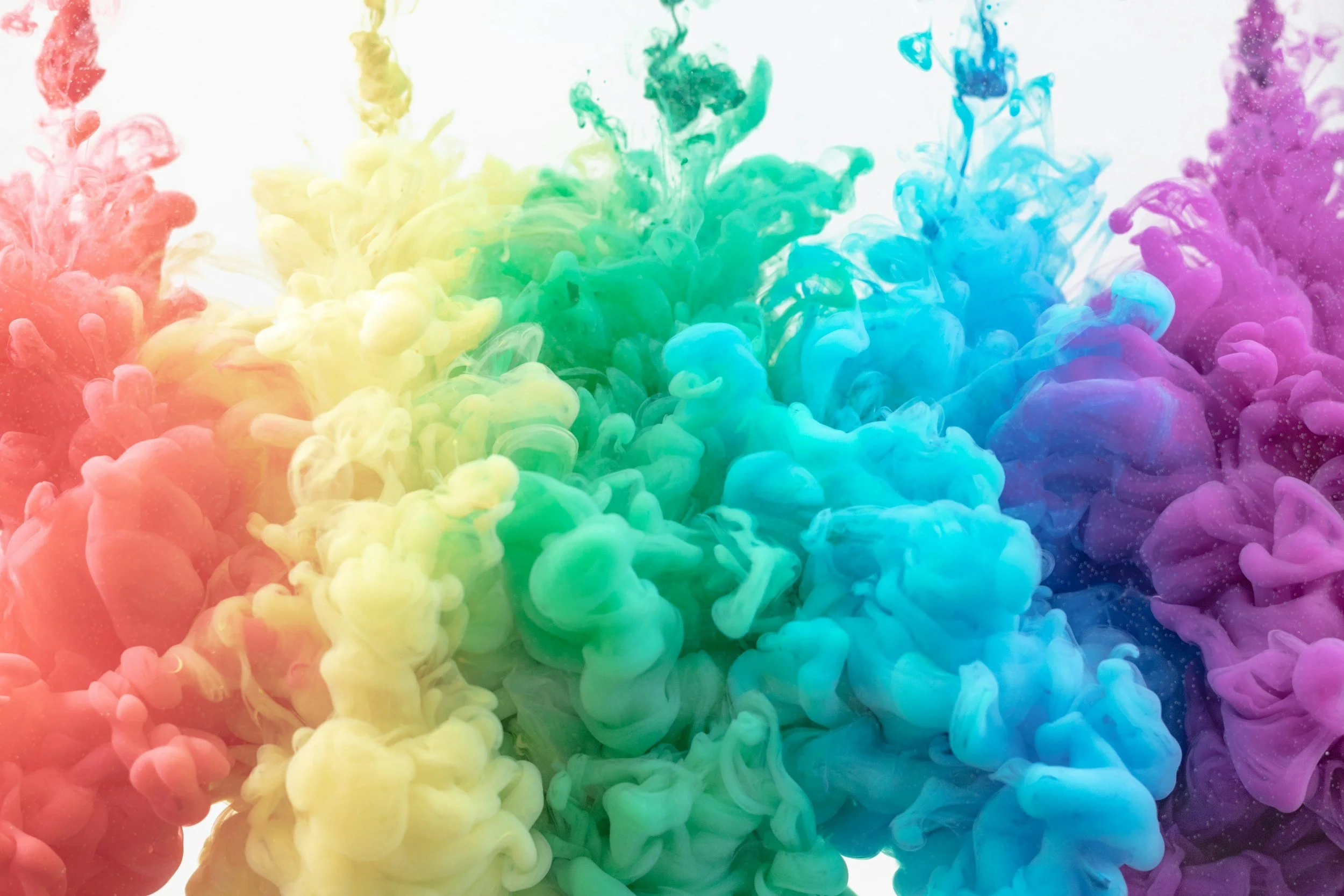
Colour is one of the most powerful elements in both art and interior spaces. It influences how we feel, how we experience our surroundings, and even how we interact with a room. Artists have long understood the emotional impact of colour, using it to create mood, atmosphere, and meaning within their work.
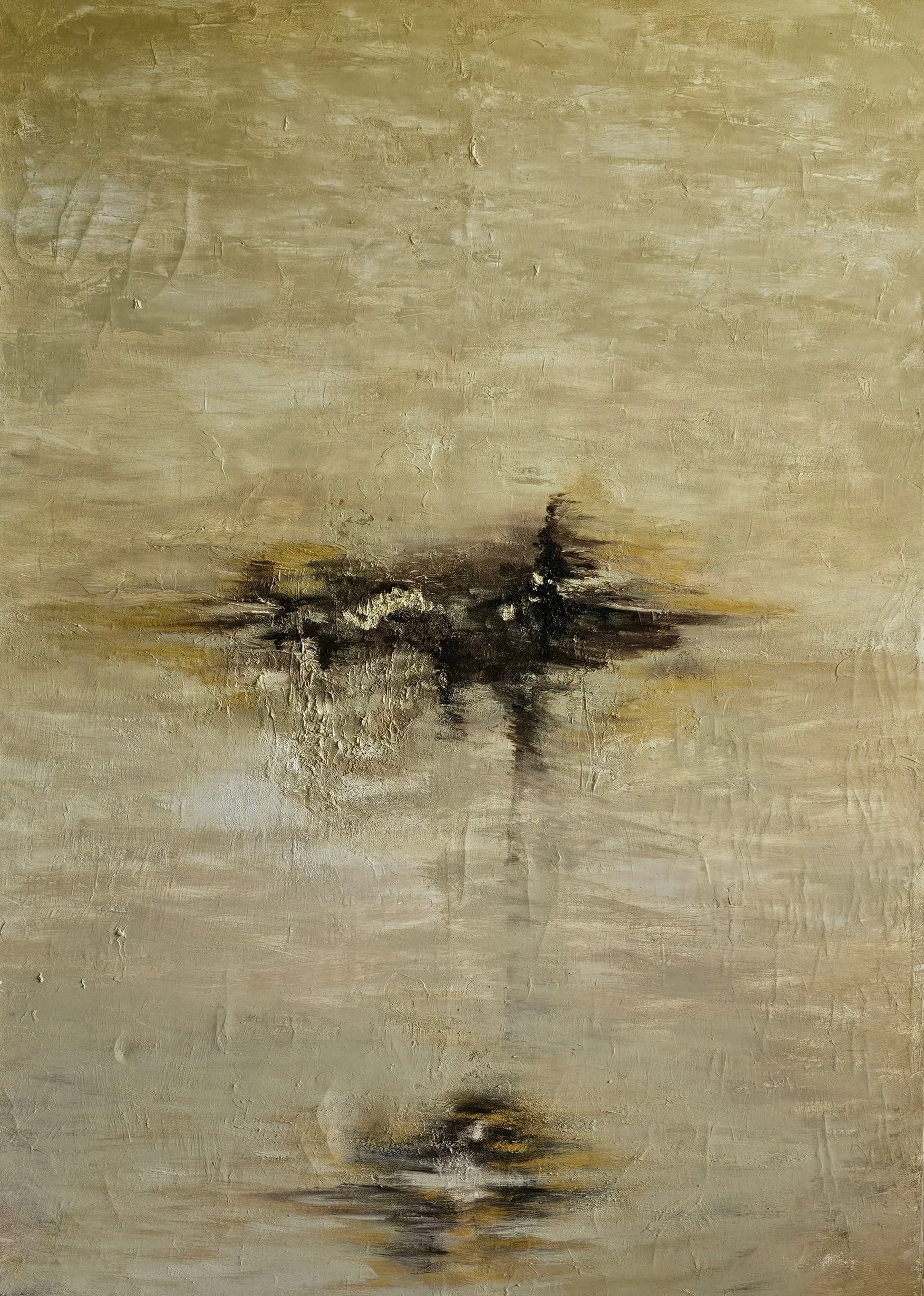
This abstract work explores stillness, balance, and spatial quiet through layered texture and restrained contrast. Soft mineral tones and suspended dark forms create a contemplative atmosphere reminiscent of distant reflections, weathered surfaces, and fading landscapes.
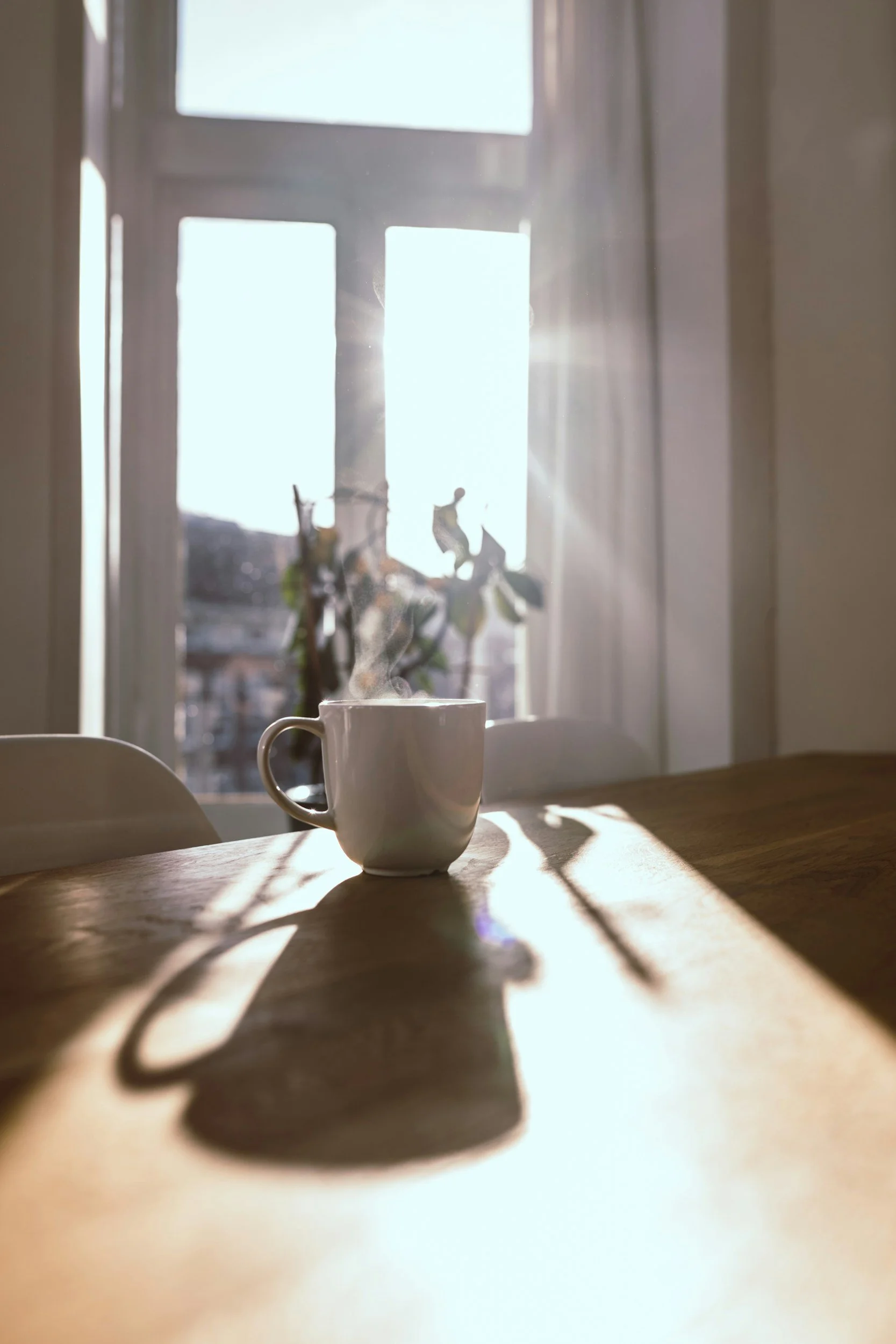
A calm corner does not require much. In fact, the less you add, the more it reveals.
I often begin with light. Natural light, if possible, is the foundation. It shapes the atmosphere more than any object ever could. A soft morning glow or a muted afternoon shadow can transform even the simplest space into something contemplative.
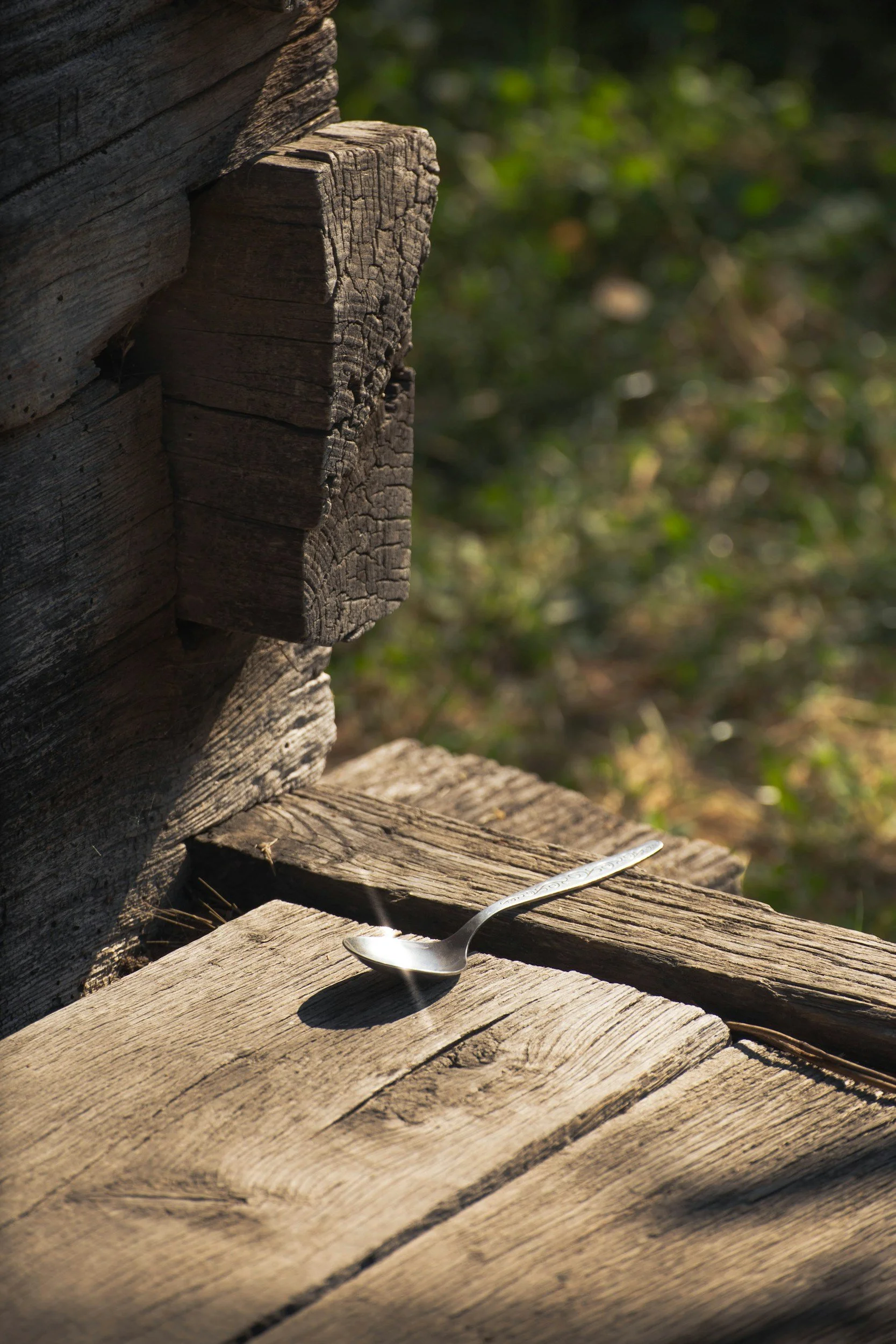
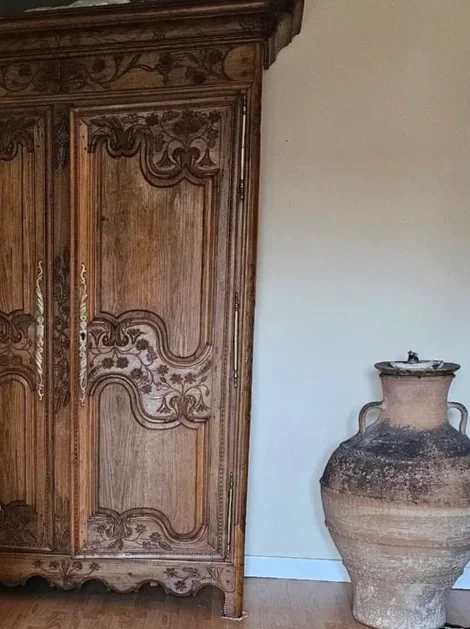
There is something deeply grounding about natural materials. You notice it immediately, though it’s difficult to explain. A room with linen curtains, a clay vessel, or a worn wooden table feels different from one filled with synthetic surfaces. It is quieter, softer, more human.
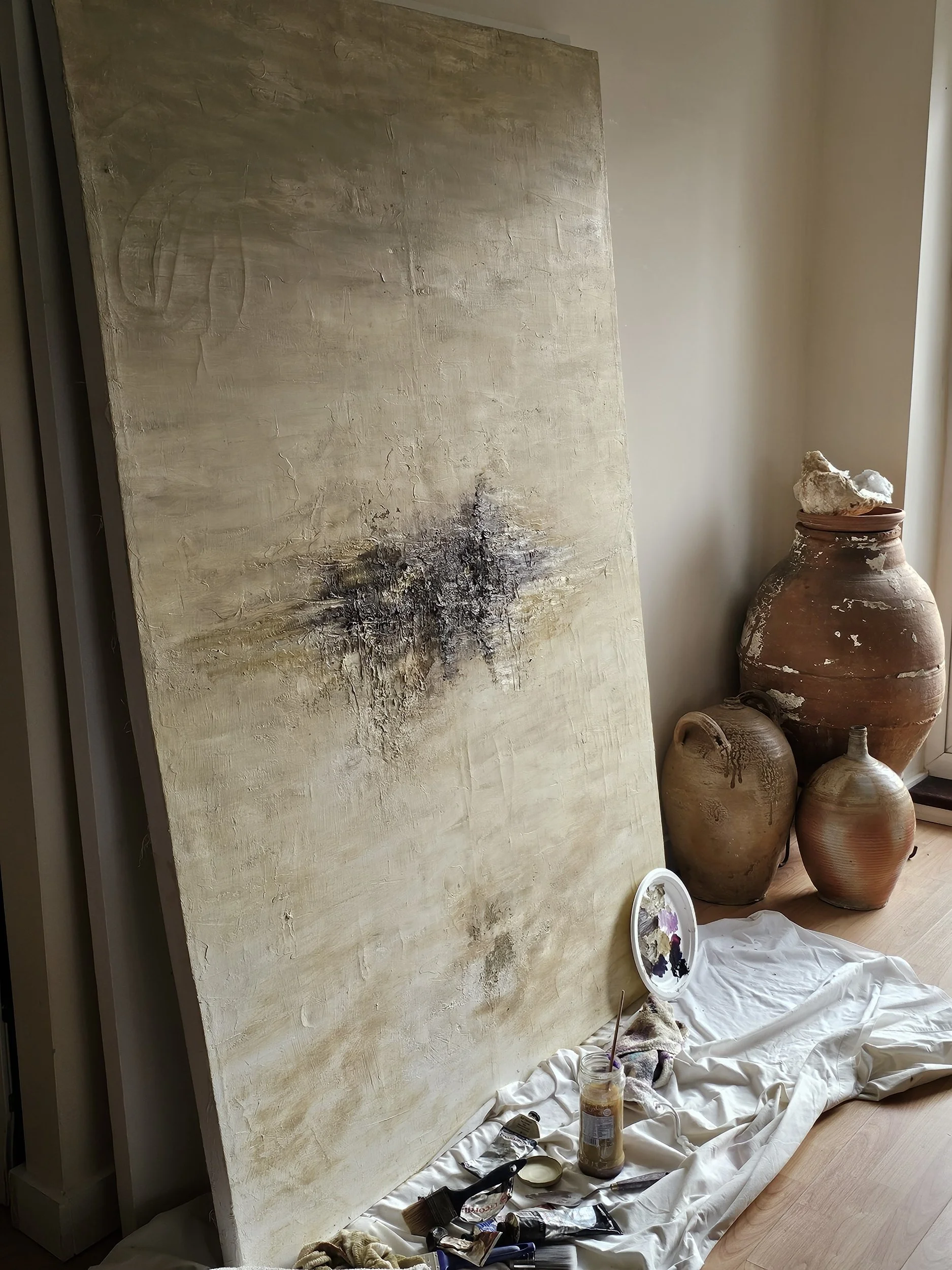
Today I realised just how difficult it is to begin an abstract painting when you have never truly done one before. I think, in part, I turned to it as a way of avoiding something else, I had been procrastinating on finishing another painting, one that suddenly felt heavy with expectation. Starting something abstract seemed like a way to relax, to let my mind float without pressure or obligation.
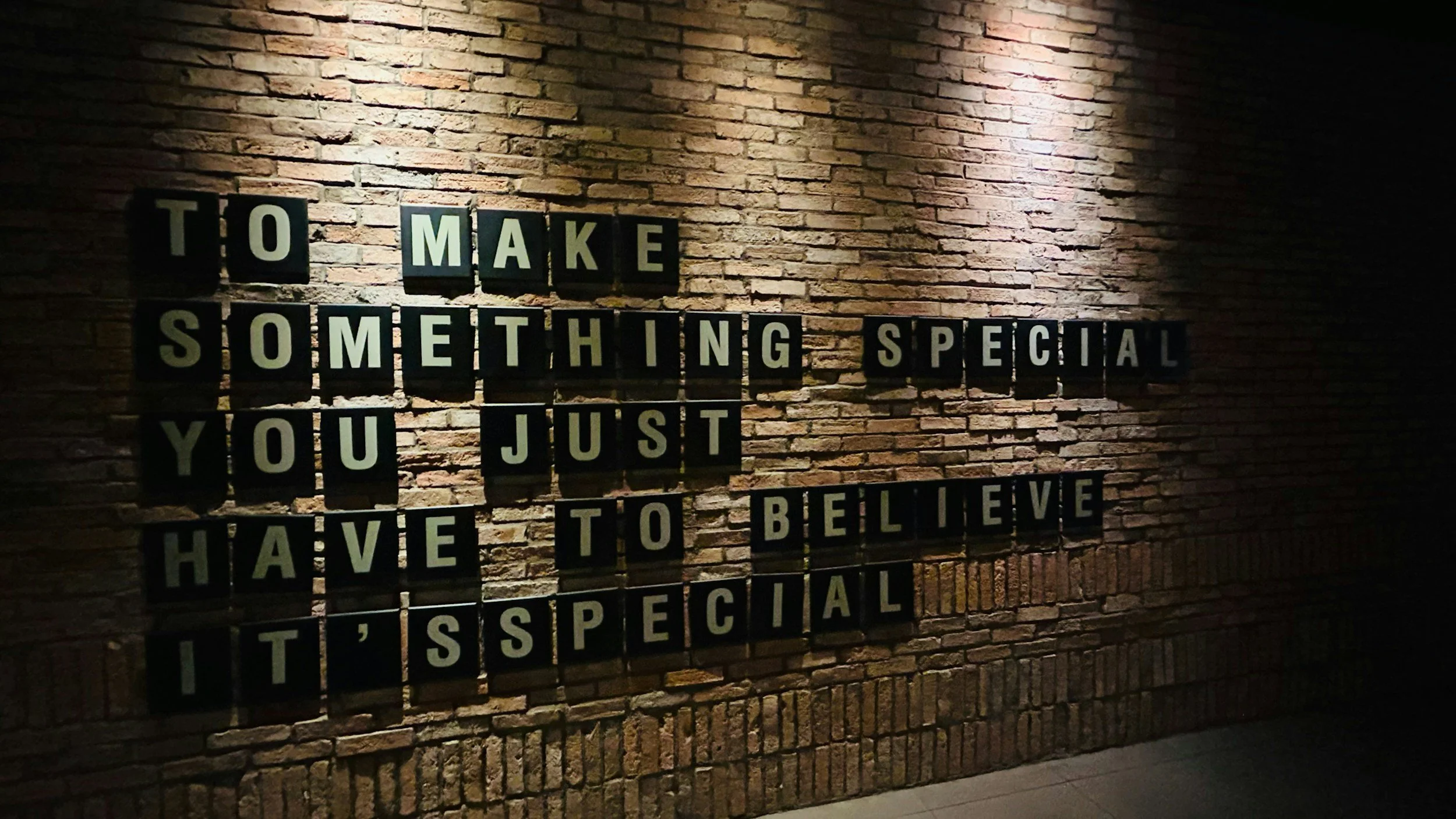
Have you ever wondered what self-trust actually is and why it feels so hard to access when you need it most?
Self-trust is often misunderstood. Many people think it means always being right, always being confident, or never doubting yourself. But that’s not what it is at all. Self-trust is the quiet confidence that you can rely on yourself, your judgment, your values, your perceptions, and your ability to handle whatever happens next. It isn’t arrogance. It isn’t blind certainty. It’s the steady belief that even if you make a mistake, you won’t abandon yourself because of it. In a world that constantly pushes us to look outward for validation, self-trust is an inward anchor.

We hear the word alignment everywhere. “Live in alignment.” “Make aligned decisions.” “Find your aligned path.” But what does that actually mean? Let’s simplify it.

As 2026 is now here, I am acutely aware that this year will be one of the most demanding and focused periods of my artistic life so far. I aim to no longer work in fragments or short bursts of inspiration; instead, I am committing to a structured and intentional plan that supports both creative growth and long-term artistic direction. At the heart of this plan are two ongoing painting series that mean a great deal to me: The Swimmers and The Lavender Fields, alongside several ambitious new works and the beginnings of a book.

his painting has been moving along quite slowly. The weather hasn’t been great, and with the lack of good natural light, progress has been even slower than I would have liked. Still, I don’t mind too much, it’s all part of the process. I’ve been thinking a lot about creating a small series of lavender field paintings…

I feel like I’m embarking on a new journey of self-discovery. It sounds a bit daunting when I say it like that, but it also feels necessary if I want to find a deeper sense of fulfilment. This kind of journey takes constant effort and, above all, awareness: awareness of what needs to change, and the willingness to make those changes.
17 October – 15 November 2026
This autumn, I am delighted to be exhibiting Yuki with the Society of Feline Artists (S.O.F.A.), in its Winter Exhibition from 17 October to 15 November 2026.
It feels particularly special to see Yuki included in an exhibition devoted entirely to feline art. S.O.F.A. has been bringing together artists who share a love of cats and a passion for representing them in art since 1994, with artists working across a wide range of media and styles.