

Why Natural Materials Change How We Feel at Home
There is something deeply grounding about natural materials. You notice it immediately, though it’s difficult to explain. A room with linen curtains, a clay vessel, or a worn wooden table feels different from one filled with synthetic surfaces. It is quieter, softer, more human.
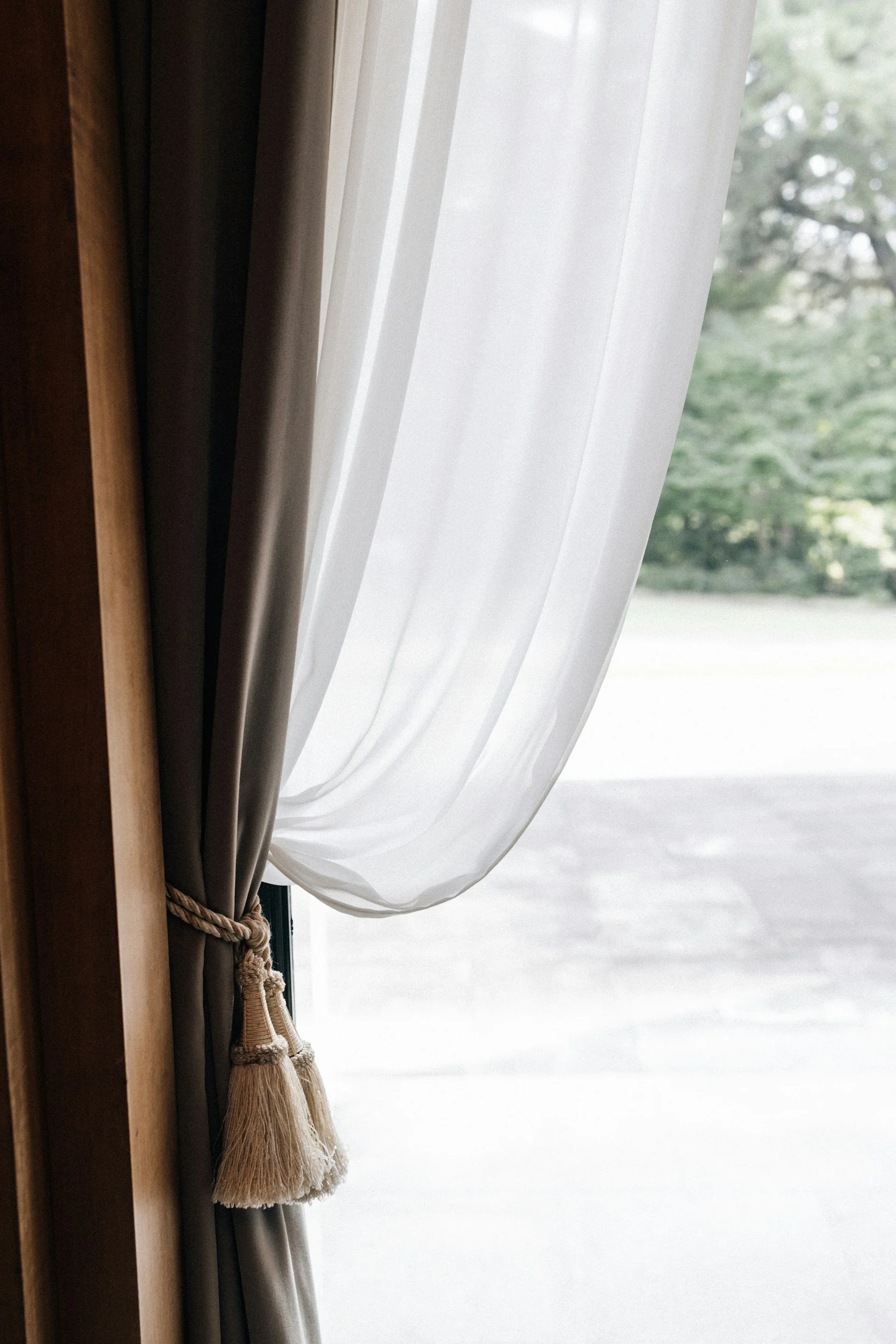

Natural materials carry time within them. Linen creases and relaxes with use, softening over the years. Wood holds its grain like a memory, each mark a quiet reminder of growth. Clay, shaped by hand and fire, retains a sense of origin—earth transformed, but not erased. These materials are not perfect, and that is precisely why they feel alive.
When we surround ourselves with these textures, our bodies respond. There is less tension, less urgency. The space invites us to slow down. Light behaves differently too. It rests gently on matte surfaces instead of bouncing harshly. Shadows deepen, colours soften, and everything feels more considered.
In contrast, synthetic materials often create a sense of disconnection. They are too smooth, too uniform, too resistant to time. They do not age, and so they do not tell a story. A home filled with them can feel static, almost suspended.

Choosing natural materials is not only an aesthetic decision—it is emotional. It is about creating an environment that supports a slower pace of living. A place where imperfection is welcomed, where objects are touched, used, and appreciated over time.
Perhaps that is what we are truly seeking in our homes now. Not perfection, but presence. Not newness, but depth. Natural materials remind us to return to something essential—something quieter, but infinitely richer.