

The Quiet Home: Why I Am Drawn to Rooms That Feel Lived In
I have never been particularly interested in perfect rooms.
I am much more interested in rooms that make you want to stay. A chair that looks as though someone has just stood up from it. A book left open on a table. Flowers that are beginning to fade. A linen curtain moving slightly in an open window. A painting that catches your attention as you walk past. A wooden surface marked by years of use. These small things can make a room feel alive.
And increasingly, I think that is what I am looking for when I think about home. Not perfection. Not a carefully constructed image. But a sense of quiet life.
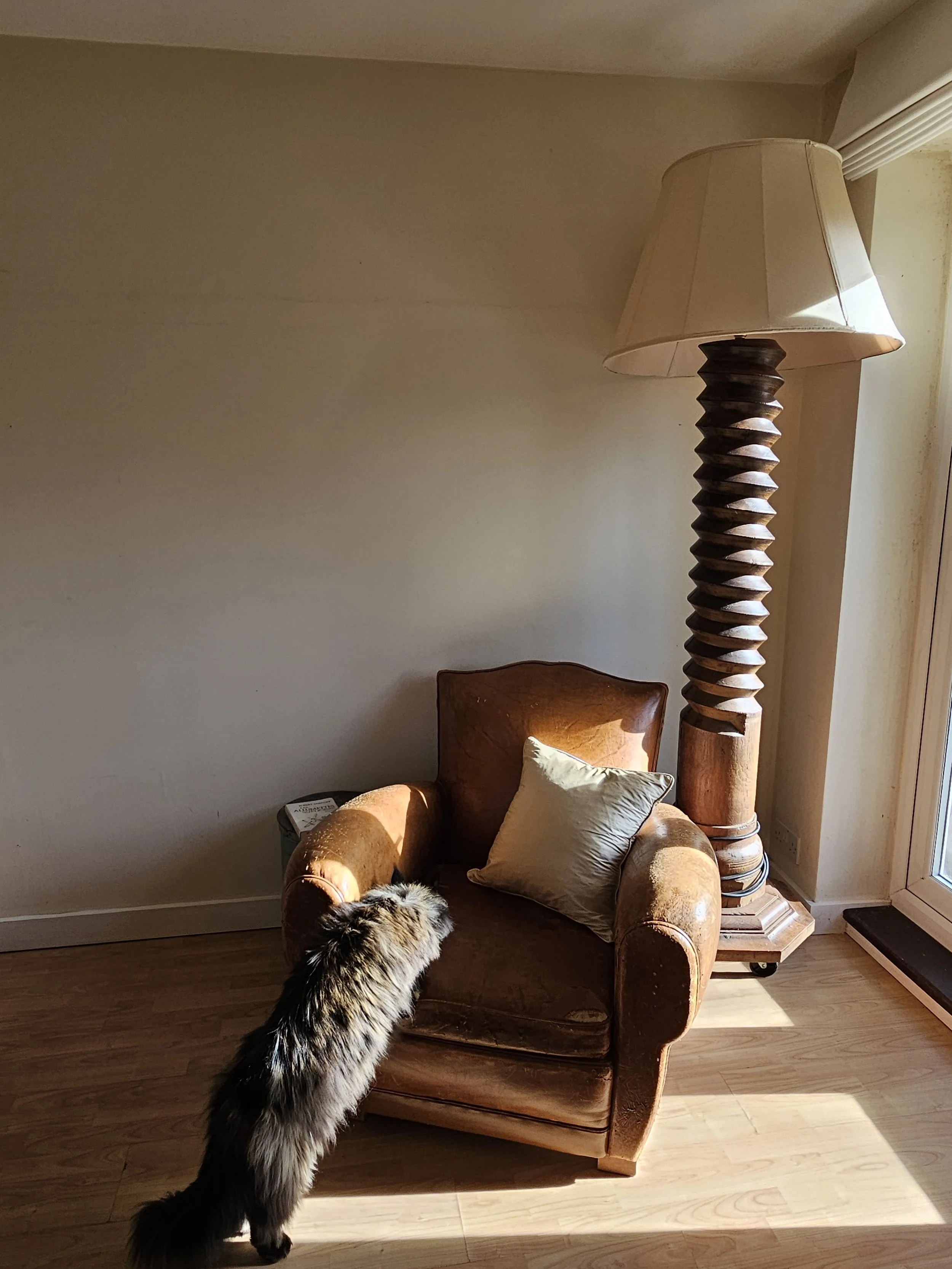
What makes a home feel calm?
I think calm has very little to do with having an empty room. A completely minimal space can be beautiful, but it can also feel strangely disconnected from the people who live there. For me, a calm home is something different. It has enough space for the eye to rest. Enough texture to create warmth. Enough objects to tell a story. And enough restraint that none of them needs to shout. Perhaps calm comes from knowing when to stop. When a room needs one more thing. And, perhaps more importantly, when it doesn't.
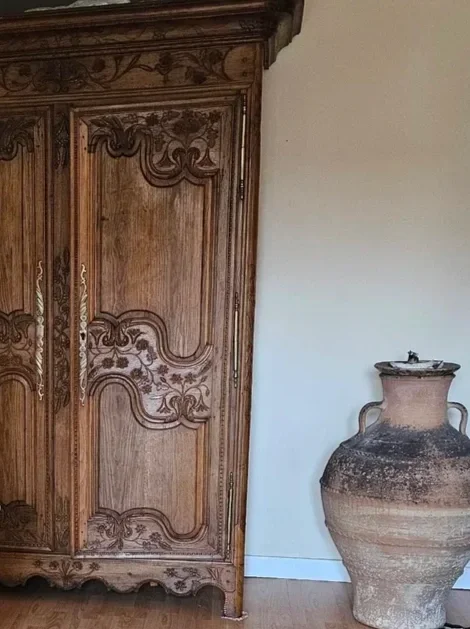
I am drawn to rooms with history
I have always loved materials that show their age. Old wood. Worn stone. Linen that has become softer through use. Ceramics with small imperfections. Painted surfaces that have changed over time. There is something reassuring about them. They don't ask to be perfect. They simply are what they are. I think this is part of what draws me to the interiors I love. They feel collected rather than manufactured.
There may be something old beside something new. Something expensive beside something very simple. A beautiful piece of furniture alongside an ordinary object that has simply earned its place. Nothing needs to match perfectly. There is room for character.
A home should tell us something about the person who lives there
The most memorable homes I have visited are rarely the ones where everything has been chosen from the same collection. They are the homes where you can sense the person behind the choices. A painting they could not resist. A chair inherited from someone they loved. A bowl brought back from somewhere. Books they have returned to over the years. A collection of small things gathered slowly. A photograph tucked into a corner.
These things create something that decoration alone cannot. They create memory. And I think that is one of the reasons I believe we should be careful about what we bring into our homes. Not because we need to live with very little. But because the things around us become part of our everyday visual landscape. We see them every morning. Every evening. Year after year. They matter.
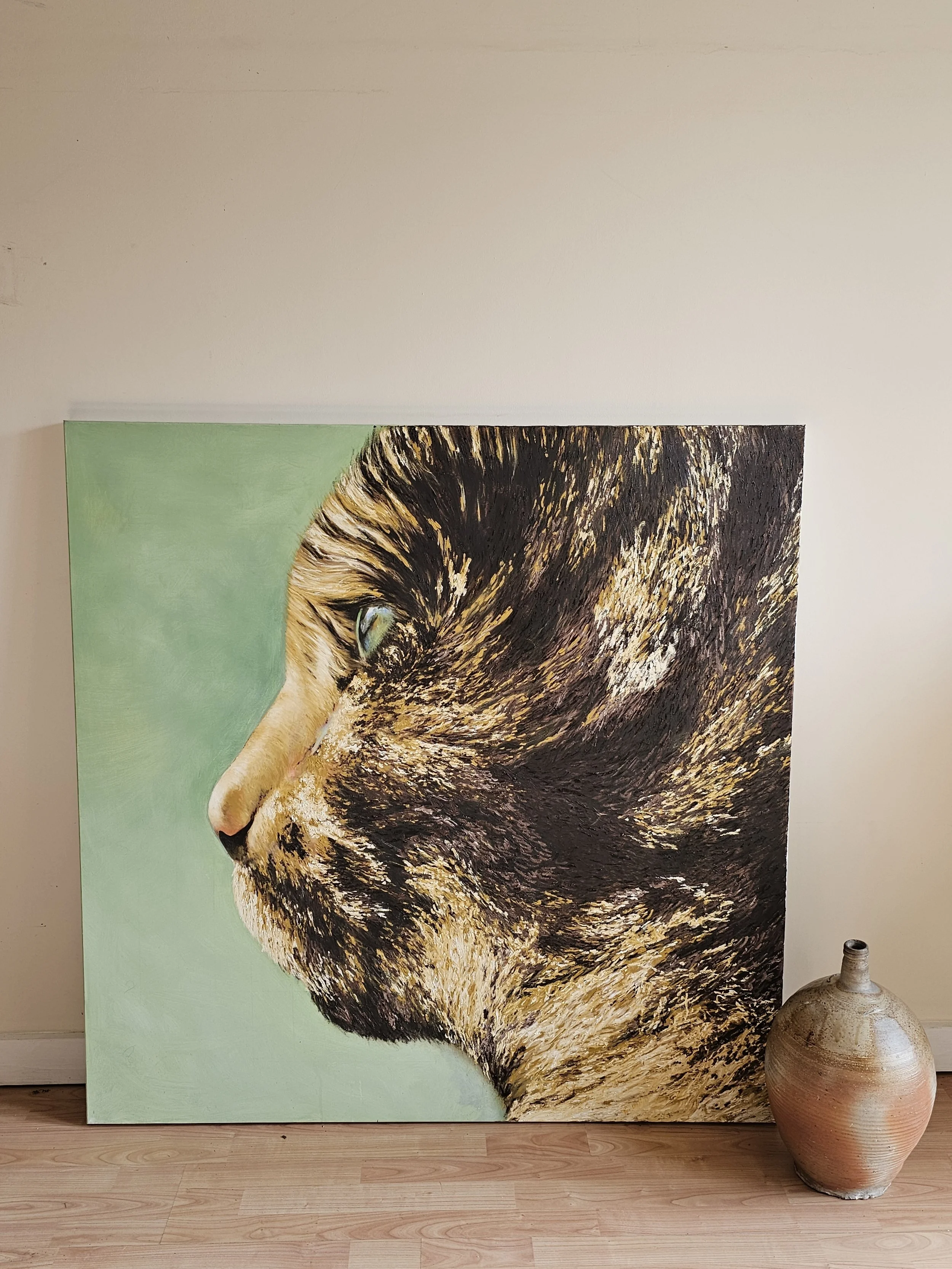
The beauty of less, but better
I am becoming increasingly interested in having fewer things, but choosing them more carefully. This does not mean minimalism for its own sake. It means asking better questions. Do I actually love this? Do I use it? Does it have meaning? Is it beautiful to me? Does it contribute something to the room? Would I notice if it disappeared? Sometimes the answer is no. And that can be quite liberating.
Removing something unnecessary can make the things you truly love feel more important. A beautiful painting needs space around it. A piece of old wood needs room for its grain to be seen. A vase of flowers does not need ten other objects beside it. Sometimes restraint is what allows beauty to become visible.
Light is part of the room
One of the things I notice most when I enter a room is the light. Not simply whether the room is bright or dark. But how the light moves through it. Morning light feels different from afternoon light. A cloudy day changes the colours. In the evening, familiar objects become softer. Shadows deepen. A painting can suddenly look completely different. This is one of the reasons I don't think a home should be designed only from photographs. A room is experienced over time. It changes from hour to hour. From season to season. The most beautiful spaces allow those changes to happen. They don't try to control every moment.

Texture matters more than decoration
When a room feels too polished, I often want to introduce texture. Linen. Wool. Wood. Ceramic. Stone. Paper. Plaster. Paint. These materials create quiet variations that you can feel even before you consciously notice them. A room with neutral colours can still have enormous depth if its surfaces are interesting. This is why I am drawn to restrained interiors. They allow materials to speak. A rough ceramic bowl. A woven basket. A wooden table. A soft linen curtain. A painting with visible brushwork. None of these needs to be decorative in the conventional sense.
Together, they create atmosphere.
The things we live with become part of us
Perhaps this is the part of creating a home that interests me most. We are surrounded by our choices every day. The colour we wake up beside. The painting we see while drinking coffee. The chair we sit in. The flowers on the table. The objects we touch. The view from the window. These things quietly influence how a day feels. That doesn't mean our homes need to become beautiful at all times.
Real life is messy. There will be washing. There will be dishes. There will be unopened post. There will be days when nothing is arranged beautifully. And I don't think a good home should be frightened of that. A home is not a photograph. It is somewhere life happens.
Making room for life
Perhaps this is why I like the phrase the quiet home. It doesn't mean a silent home. It means a home that isn't constantly asking for attention. A home where the objects support the people living there rather than the other way around. A home where you can put your feet up. Read. Paint. Cook something simple. Listen to music. Open the door to the garden. Sit beside a sleeping cat. Look at a painting. Do nothing at all. There is a kind of luxury in that. Not the luxury of having more. The luxury of having enough.
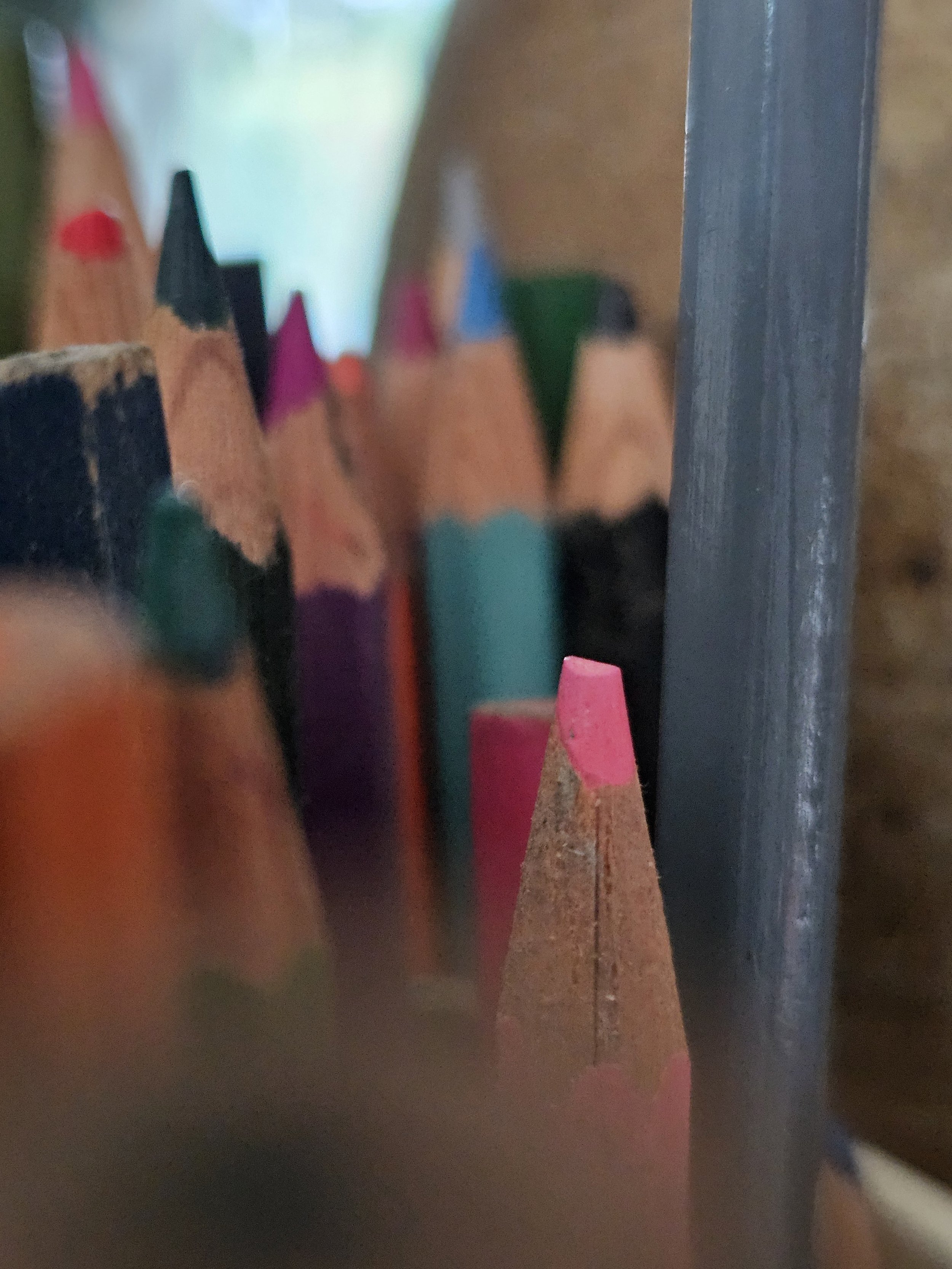
Home as a creative act
I have come to think of creating a home in much the same way I think about painting. There is composition. There is colour. There is proportion. There is light. There is texture. There is also editing. Sometimes the most important thing is knowing what to leave out. And, just as in painting, the process is never really finished. A home changes with us. Our tastes change. Our circumstances change. Objects come and go. Rooms are rearranged. Paint colours change. Gardens grow. Paintings are added to the walls. Life leaves its marks. I don't think we should fight that. I think we should allow our homes to evolve.
A home that becomes yours slowly
Perhaps the greatest lesson I am learning is that a beautiful home cannot always be created quickly.
Some things need time. A piece of furniture needs to be found. A painting needs to be discovered. A garden needs to grow. A collection needs to develop. A room needs to be lived in before you understand what it needs. This is very different from decorating a house simply to make it look finished. I am much more interested in the idea of allowing a home to become itself gradually.
Choosing carefully. Removing what no longer belongs. Keeping what has meaning. Leaving some spaces quiet. Allowing the unexpected. And accepting that there may never be a final version. Perhaps that is part of the beauty.
The quiet home
For me, a quiet home is not about having a particular style. It is not about beige walls or expensive furniture. It is not about minimalism. It is about attention. Attention to light. To materials. To proportion. To what we keep. To what we see every day. And, ultimately, to how we want to live. This is something I want to explore more deeply through SG-Art.
Because art and home have always felt connected to me. The paintings we choose. The objects we live with. The gardens we create. The spaces we make for ourselves. They are all expressions of the same thing: what we value, what we notice, and what we want our lives to feel like.
I don't want a home that looks perfect. I want one that feels peaceful when I walk through the door. A home with light. With texture. With paintings. With books. With flowers. With things that have stories. With room to breathe. And, above all, with enough quiet for life itself to be noticed.
Perhaps a beautiful home is not one that has been perfectly finished. Perhaps it is simply one that has been thoughtfully lived in.