

There is a particular pleasure in a bed that feels simple, comfortable and quietly beautiful. French métis bed linen has that quality. It is made from a blend of linen and cotton, bringing together the character of linen and the softness of cotton. Traditionally, the two fibres are woven together, often with cotton in the warp and linen in the weft; the exact composition can vary, so it is worth checking the product label. Casamance
The word métis means mixed. In textiles, it describes the meeting of these two natural fibres. Linen gives the cloth a relaxed texture and a gentle, irregular surface. Cotton can lend it a softer, more supple feel. Together, they make a fabric with a quiet presence: less crisp than some cotton sheets, and often lighter in character than heavier linen.
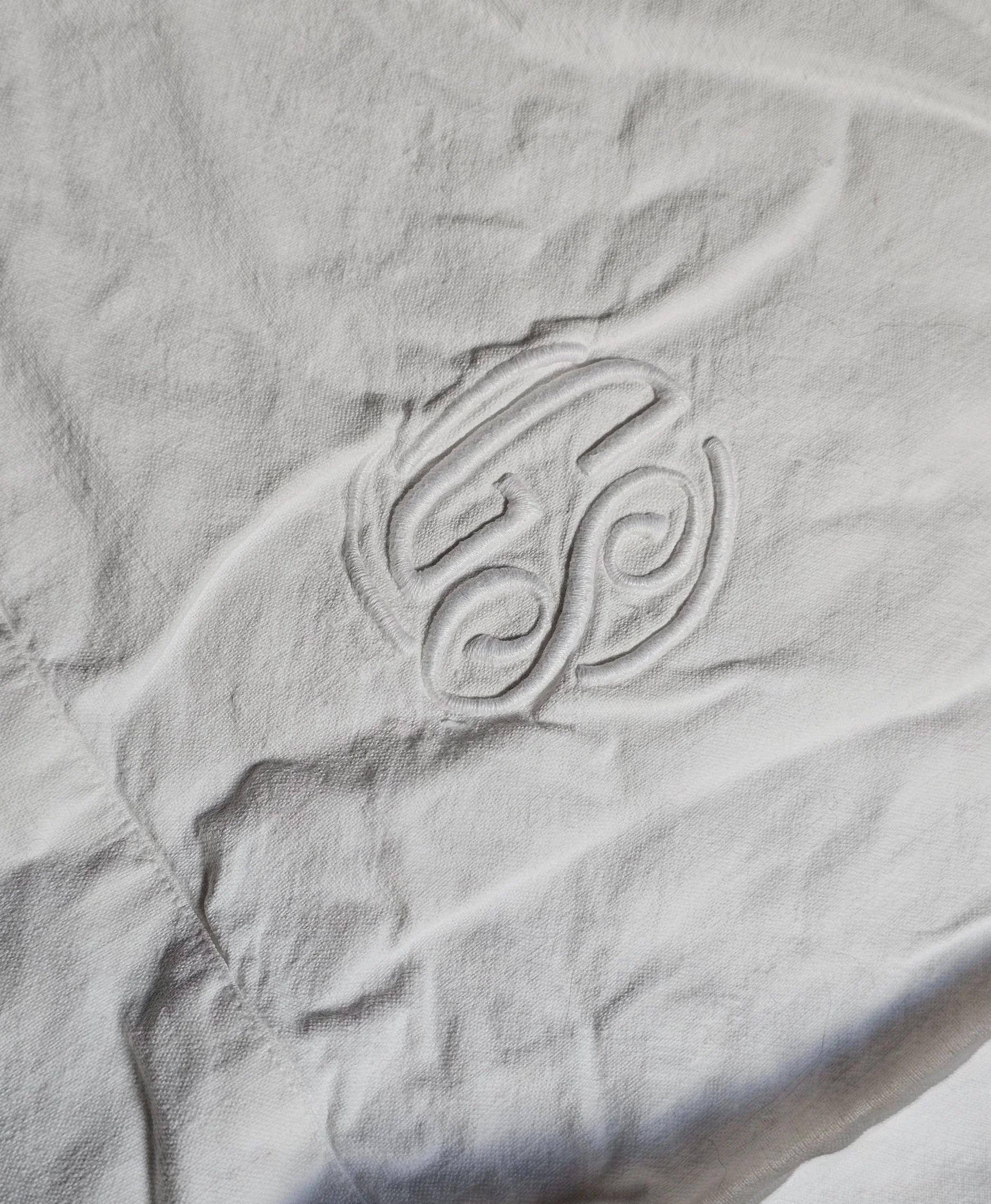
Made personal with embroidery
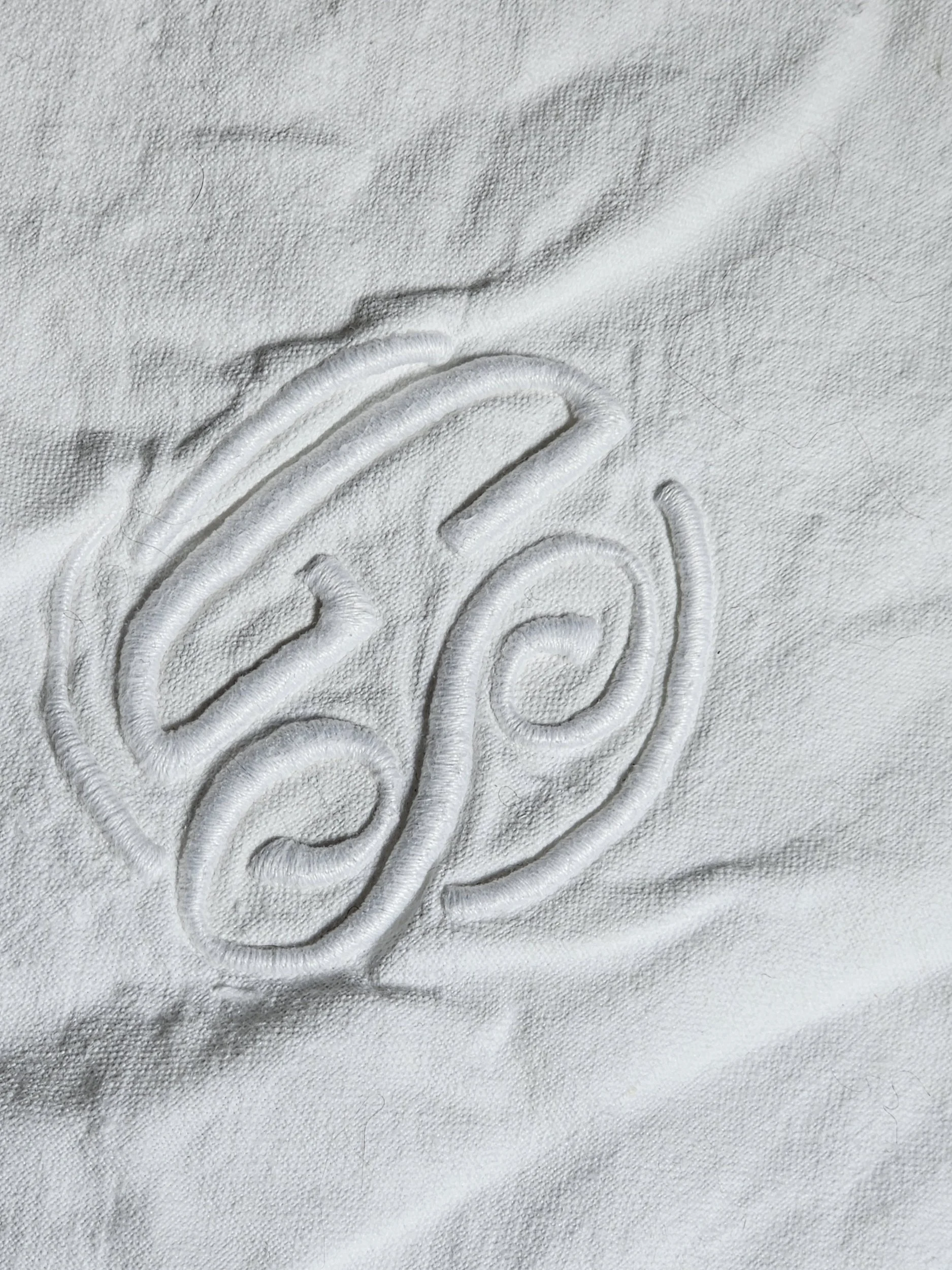
French bed linen was often prepared for a trousseau, the household linen gathered for a bride’s new home—and pieces could be marked with embroidered initials. Sometimes the initials were joined with delicate embroidery or decorative whitework, turning useful bedding into something personal and lasting. In some French regions, linen was marked with the initials of both the bride and her husband.
A sheet or pillowcase could therefore be given as a thoughtful wedding or household gift, made special for the person receiving it. Each embroidered detail carried a small sense of care: a name, a family connection, a beginning in a new home. That tradition gives métis bed linen an added appeal today. Its beauty lies not only in the cloth itself, but also in the possibility of making it uniquely yours.
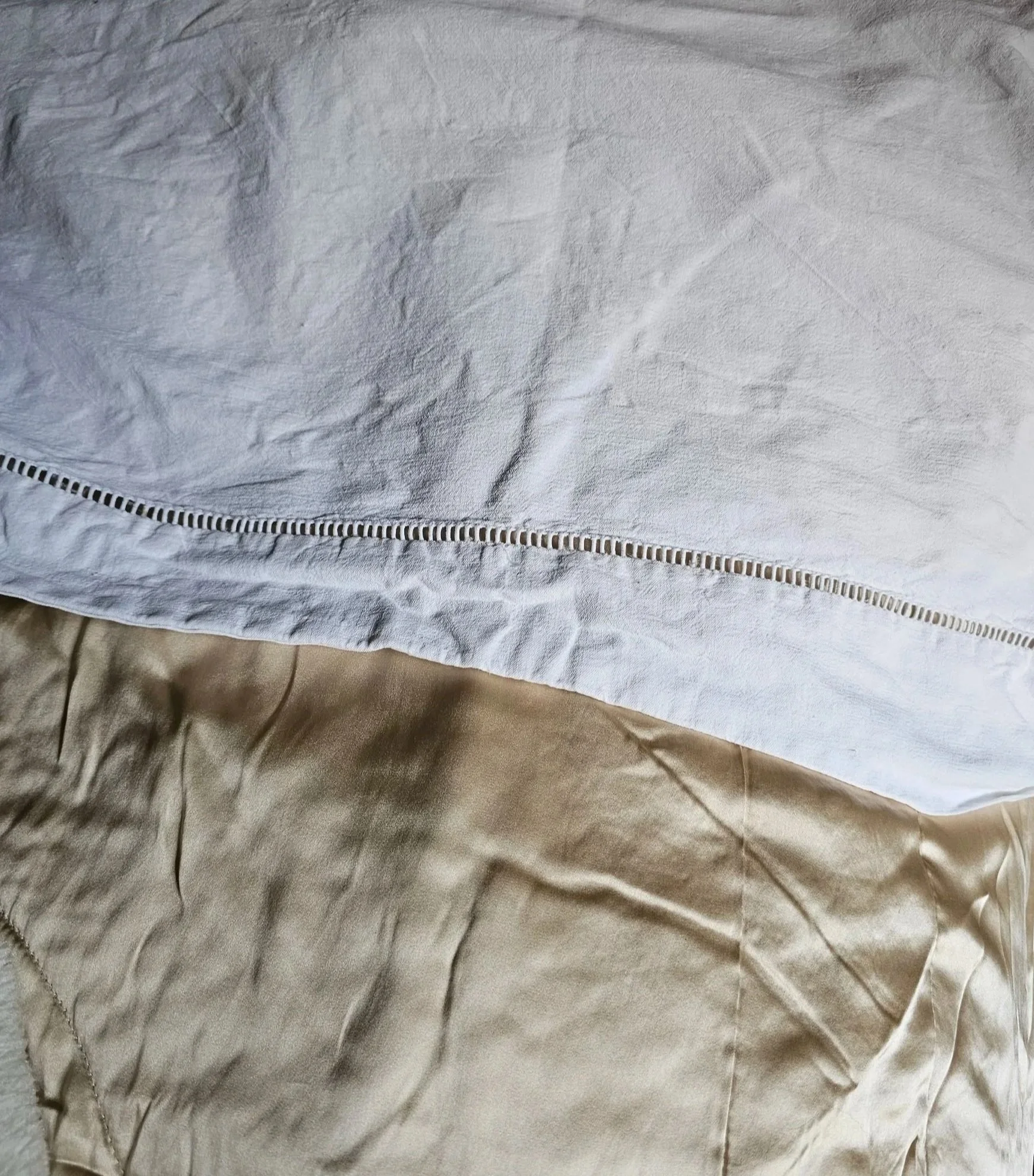
A fabric with a lived-in feel
There is also a lovely contrast in the way métis linen feels through the seasons. It has a crisp, dry touch when you first slip into bed, with a freshness that feels especially welcome in summer. Linen’s ability to circulate air and manage moisture can add to that cool, comfortable feeling on warmer nights. ALLIANCE
In winter, the same linen feels inviting when drawn beneath a warm duvet, with a blanket folded across the bed. The comfort comes from the whole bed together—the linen, the layers and the softness around you. I like that balance: a fresh touch against the skin, followed by the gentle warmth of a bed made for lingering.
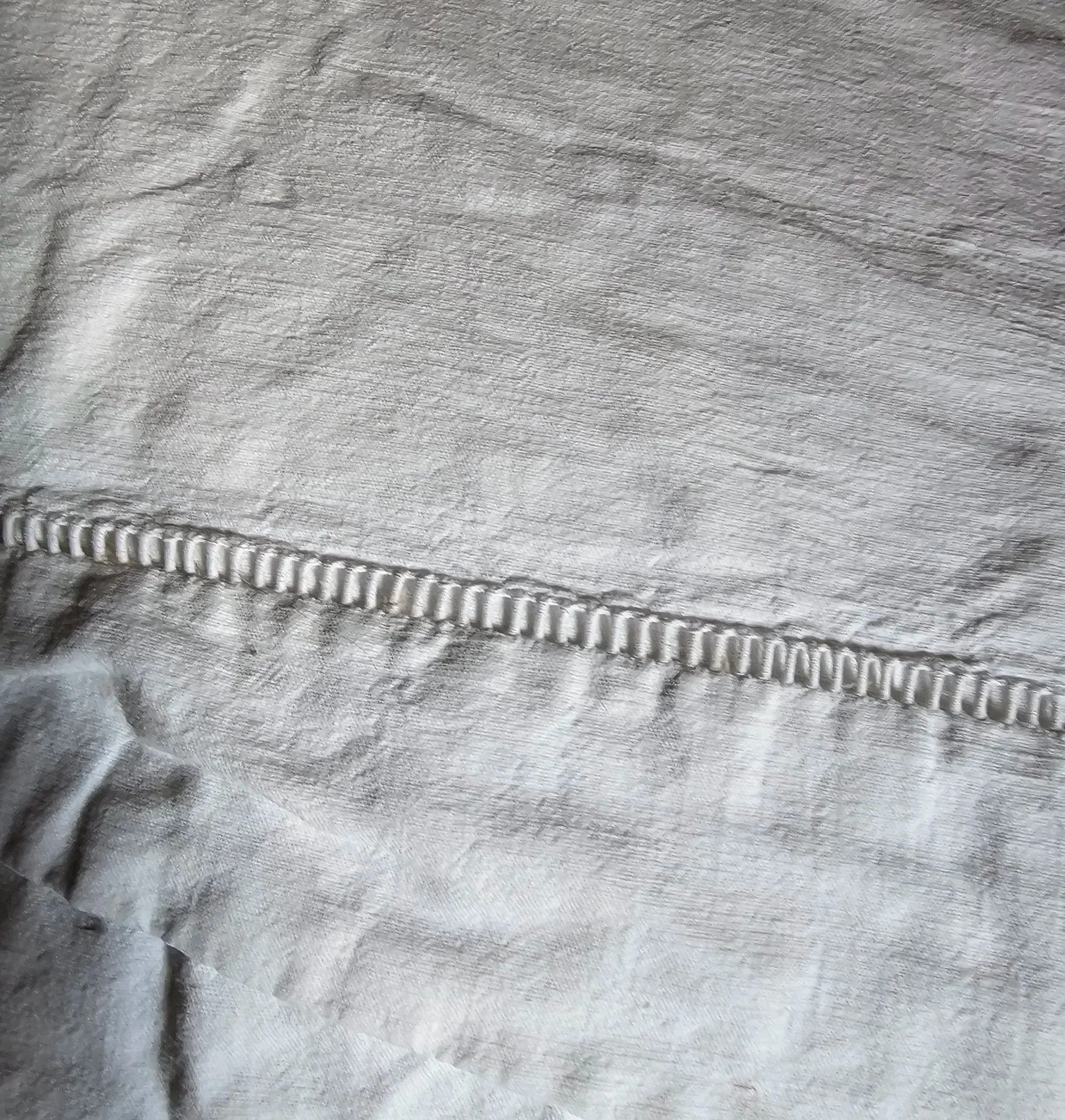
Choosing métis bed linen
When looking for métis sheets or duvet covers, check the fibre composition rather than relying on the name alone. The proportion of linen and cotton can differ between makers, affecting the fabric’s weight, texture and drape. A close-up photograph can help you judge the weave, while a product description may tell you whether the cloth has been softened or washed.
Colour matters, too. Warm white, ivory and natural flax tones bring out the texture without making the bed feel busy. For a quieter, more layered look, combine plain sheets with a softly coloured blanket or a simple coverlet.
Caring for it
Always follow the care instructions supplied with the linen, as washing recommendations vary. In general, avoid harsh treatment and let the fabric dry gently. It may become softer with use, but its long-term feel will depend on the fibres, the weave and how it is cared for.
French métis bed linen is not about making a bedroom look immaculate. It is about choosing something tactile and useful—something that becomes more familiar with time. In a quietly furnished room, that small difference can change the feeling of the whole bed.
I am exploring the quiet beauty of métis bed linen and how it might find a place in a calm, thoughtfully made bedroom. I will share more as the idea develops.