SG-Art… journal
This space is a personal journal of art, creativity, and everyday inspiration. Through short reflections, images, and moments from daily life, these diary entries share the thoughts, processes, and quiet observations that shape the art of living. It is a place to slow down, notice beauty, and follow creativity as it unfolds naturally.
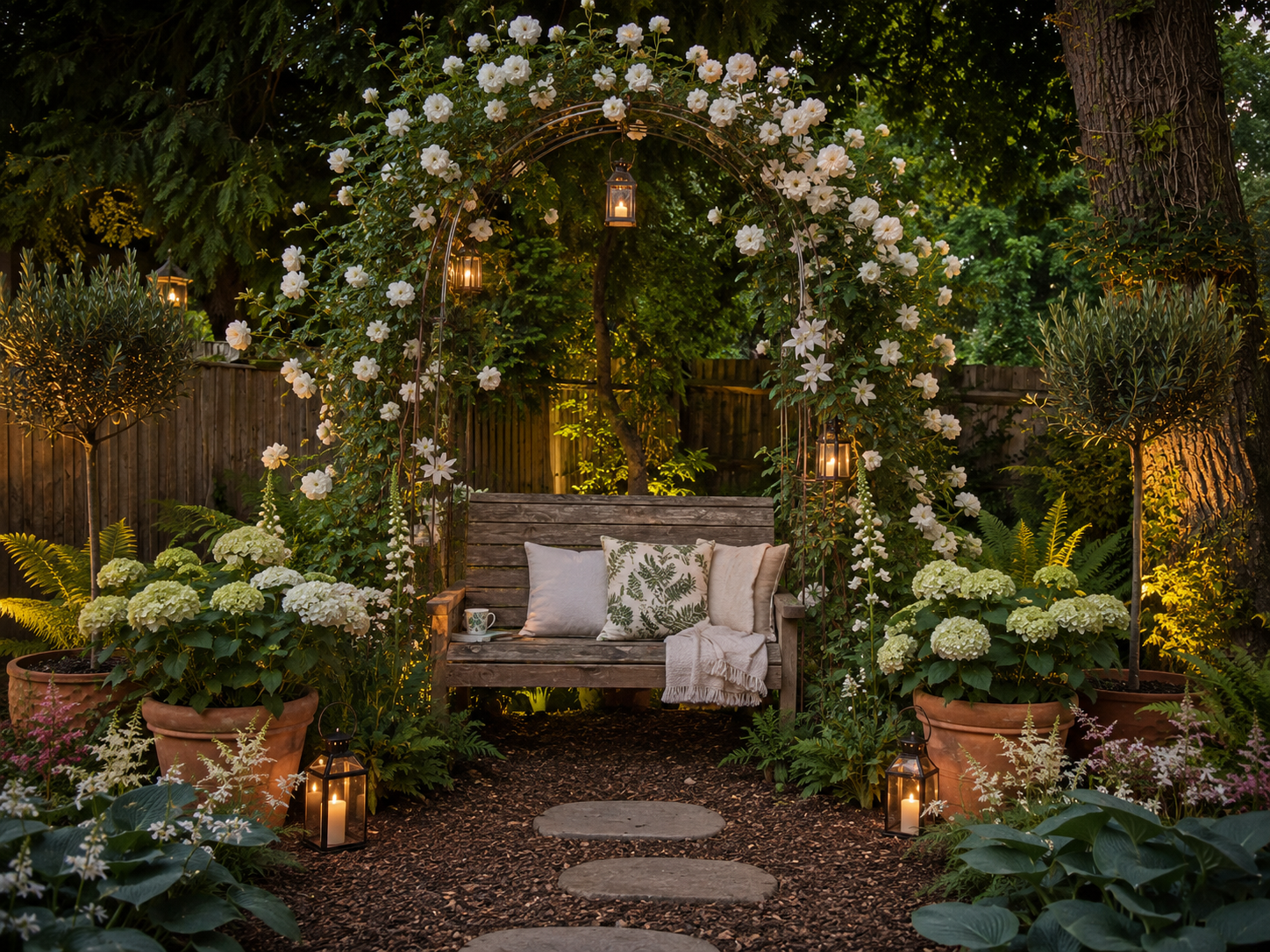
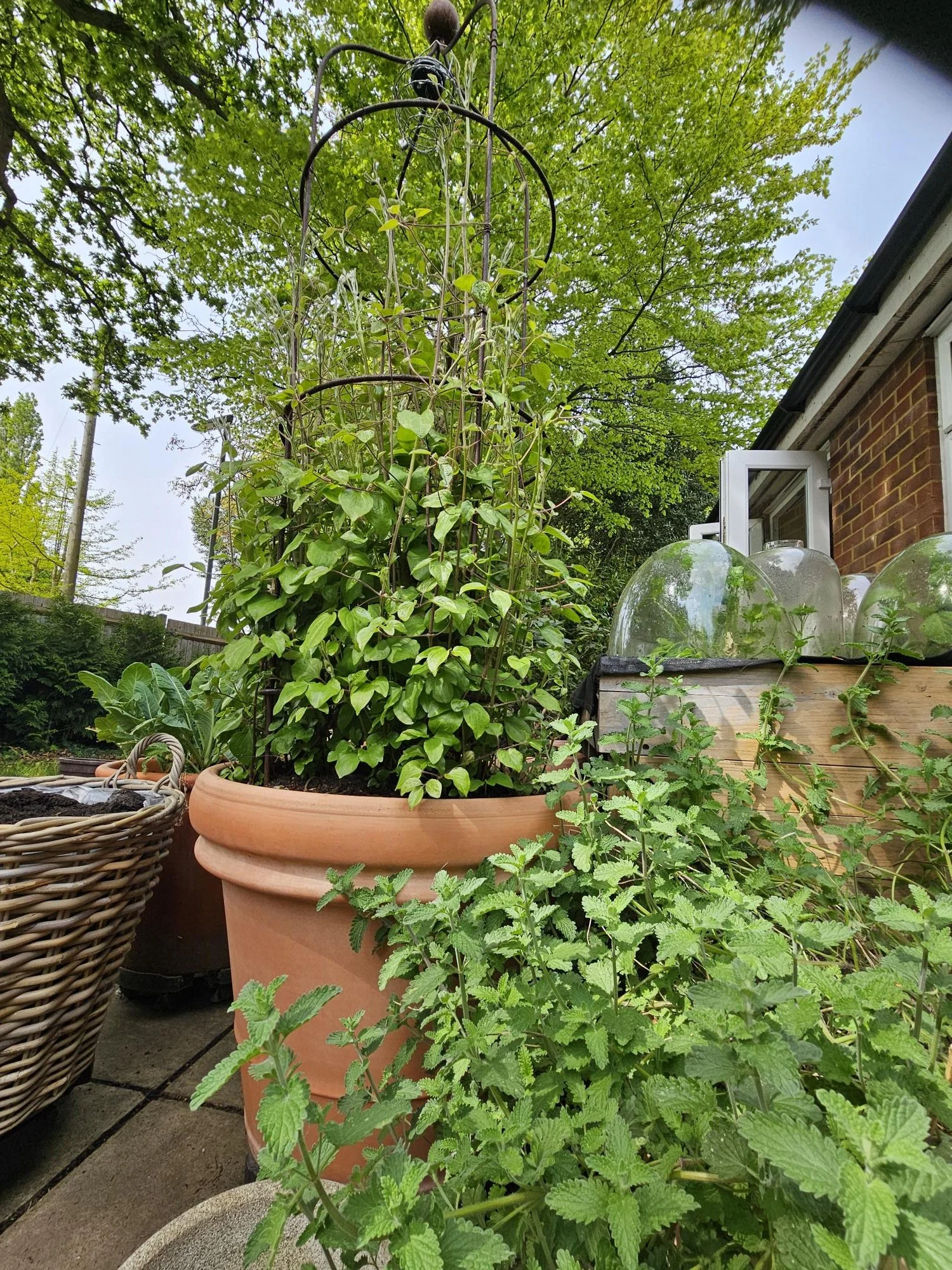
There is a moment, when arranging plants in pots, where it stops feeling like gardening and begins to feel like composing a room. Not in a structured or designed way, but in the quiet sense of placing things until they feel right.
In small spaces, this matters more. A few pots are not just functional, they are the garden. They hold the atmosphere.
Colour is one of the most powerful elements in both art and interior spaces. It influences how we feel, how we experience our surroundings, and even how we interact with a room. Artists have long understood the emotional impact of colour, using it to create mood, atmosphere, and meaning within their work.
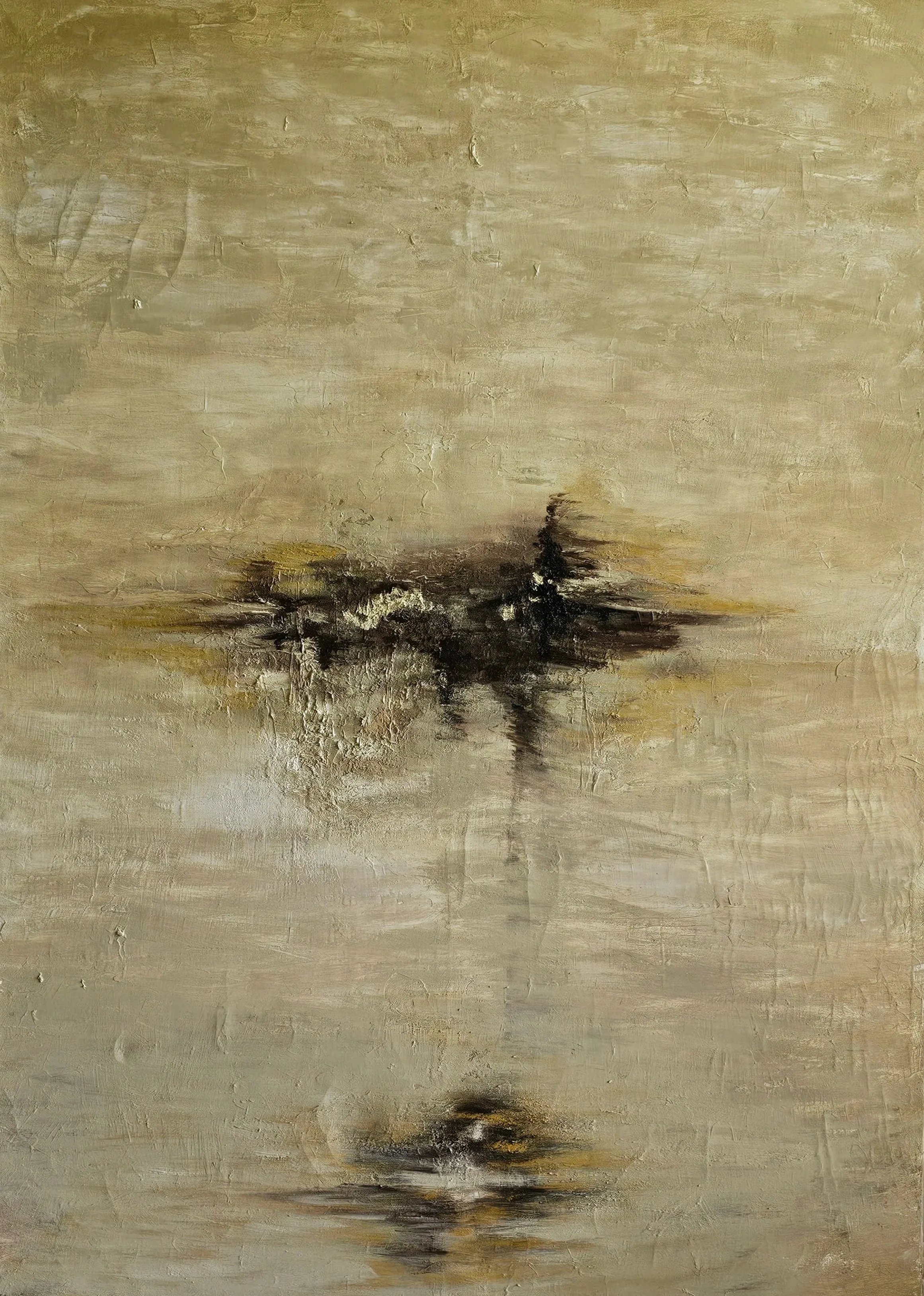
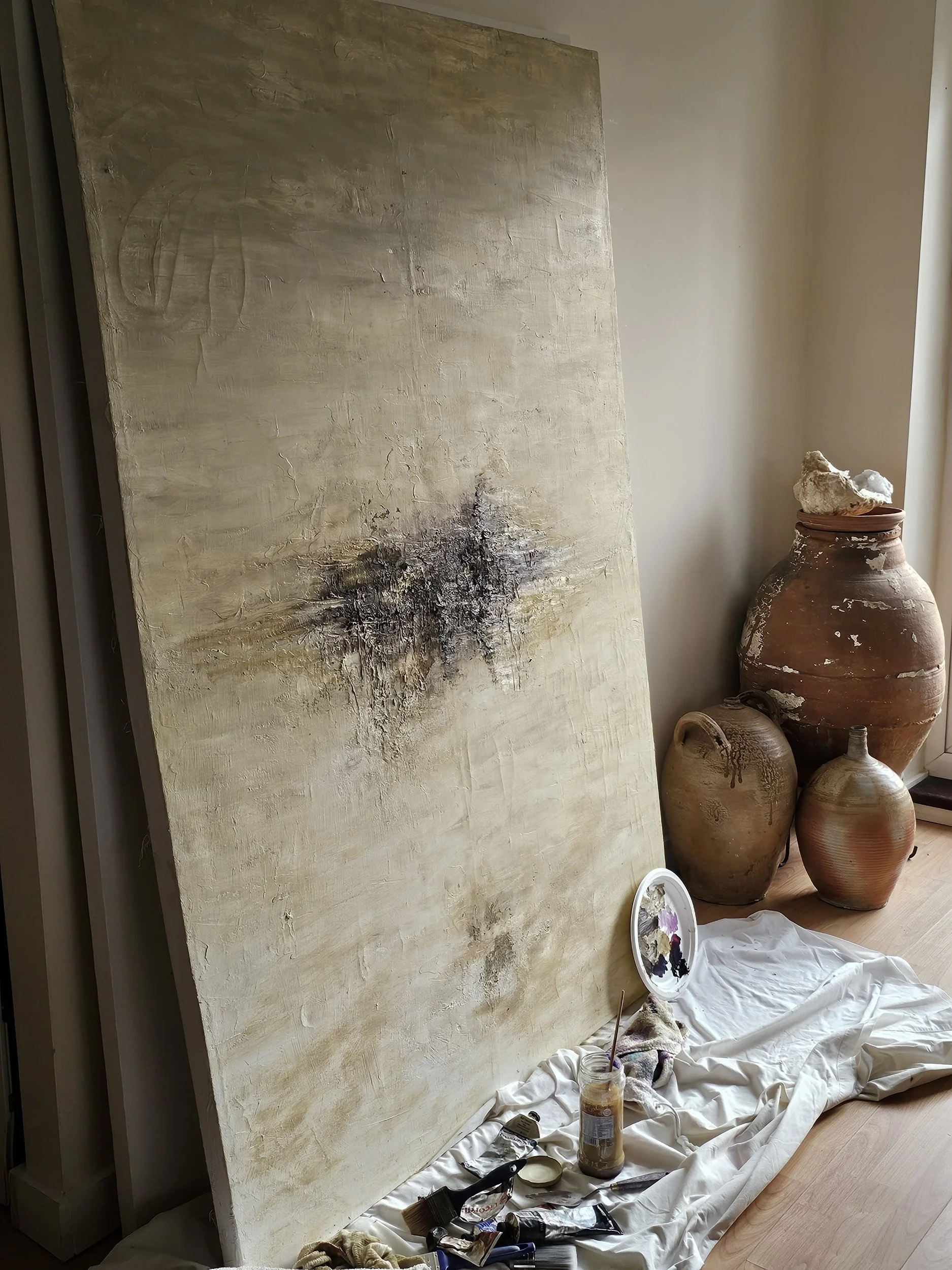
This abstract work explores stillness, balance, and spatial quiet through layered texture and restrained contrast. Soft mineral tones and suspended dark forms create a contemplative atmosphere reminiscent of distant reflections, weathered surfaces, and fading landscapes.
Gardening often begins with intention, plans, layouts, expectations of how things should grow. But over time, I have found that the most rewarding gardens are not controlled. They are observed. There is a quiet shift that happens when you stop trying to direct every outcome.
A calm corner does not require much. In fact, the less you add, the more it reveals.
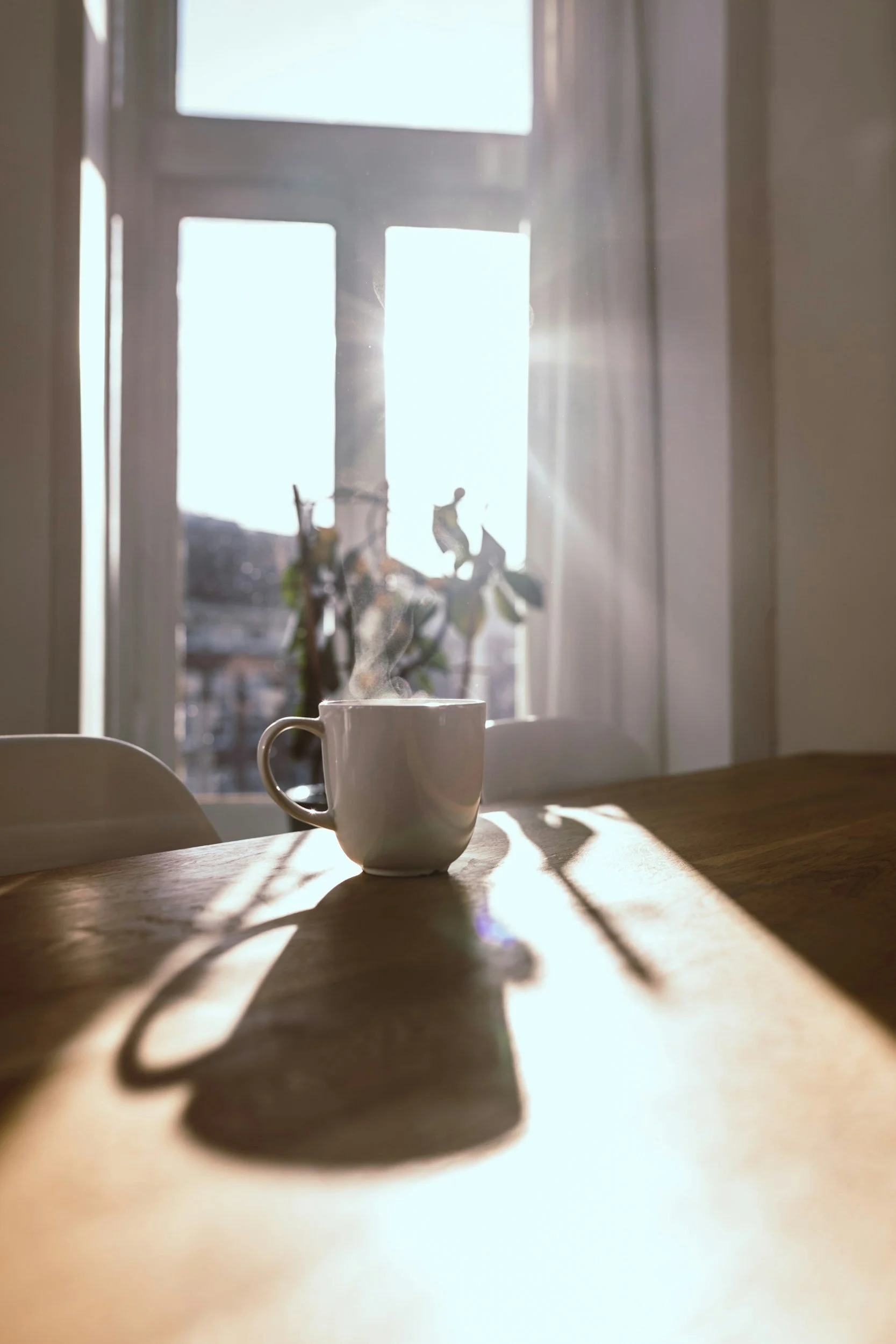
I often begin with light. Natural light, if possible, is the foundation. It shapes the atmosphere more than any object ever could. A soft morning glow or a muted afternoon shadow can transform even the simplest space into something contemplative.
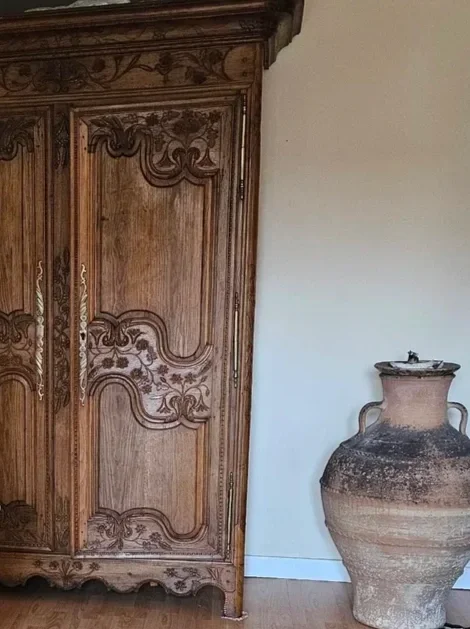
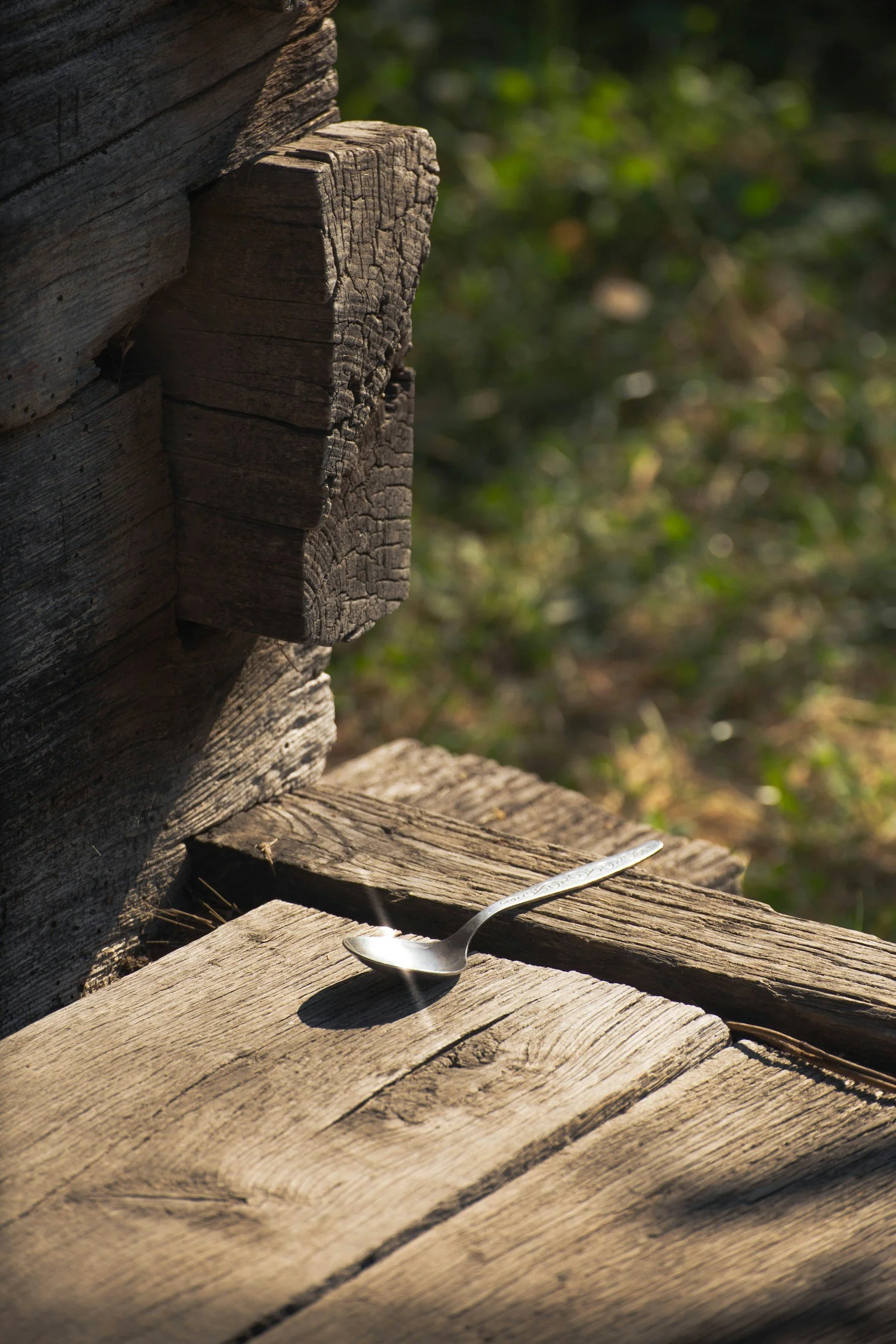
There is something deeply grounding about natural materials. You notice it immediately, though it’s difficult to explain. A room with linen curtains, a clay vessel, or a worn wooden table feels different from one filled with synthetic surfaces. It is quieter, softer, more human.
Today I realised just how difficult it is to begin an abstract painting when you have never truly done one before. I think, in part, I turned to it as a way of avoiding something else, I had been procrastinating on finishing another painting, one that suddenly felt heavy with expectation. Starting something abstract seemed like a way to relax, to let my mind float without pressure or obligation.
Have you ever wondered what self-trust actually is and why it feels so hard to access when you need it most?
Self-trust is often misunderstood. Many people think it means always being right, always being confident, or never doubting yourself. But that’s not what it is at all. Self-trust is the quiet confidence that you can rely on yourself, your judgment, your values, your perceptions, and your ability to handle whatever happens next. It isn’t arrogance. It isn’t blind certainty. It’s the steady belief that even if you make a mistake, you won’t abandon yourself because of it. In a world that constantly pushes us to look outward for validation, self-trust is an inward anchor.


How to Choose Artwork That Creates a Peaceful Home
Jun 26
Our homes have a profound effect on how we feel. They can energise us, inspire us and comfort us. They can also become a sanctuary, a place where we can slow down, breathe and reconnect with what truly matters. When creating a peaceful home, we often think about paint colours, furniture and lighting, but one of the most powerful elements is often overlooked:
The art we choose to surround ourselves with.