

Gardening Slowly: Observing Instead of Controlling
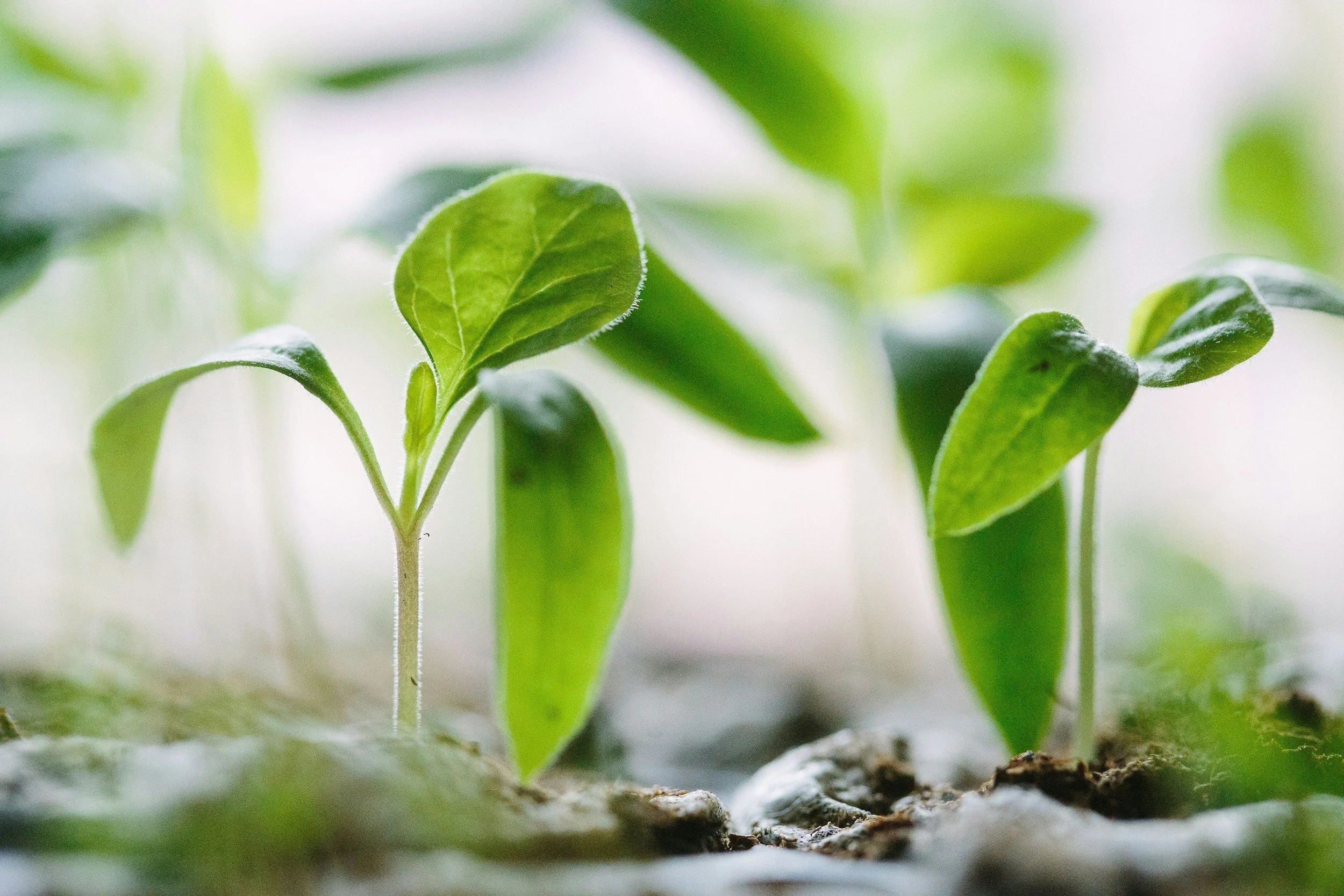
Gardening often begins with intention, plans, layouts, expectations of how things should grow. But over time, I have found that the most rewarding gardens are not controlled. They are observed. There is a quiet shift that happens when you stop trying to direct every outcome. Instead of imposing structure, you begin to notice patterns. How light moves across the space. Which plants thrive without effort. Where the soil feels richer, or more dry.
Gardening slowly is about paying attention. It means allowing plants to grow into their natural forms, rather than forcing them into predefined shapes. It means accepting that some things will not work, and that failure is part of the process. There is also a rhythm to it. Seasons guide everything. Growth, rest, decay, renewal. Each stage has its own purpose, even if it does not align with immediate expectations.
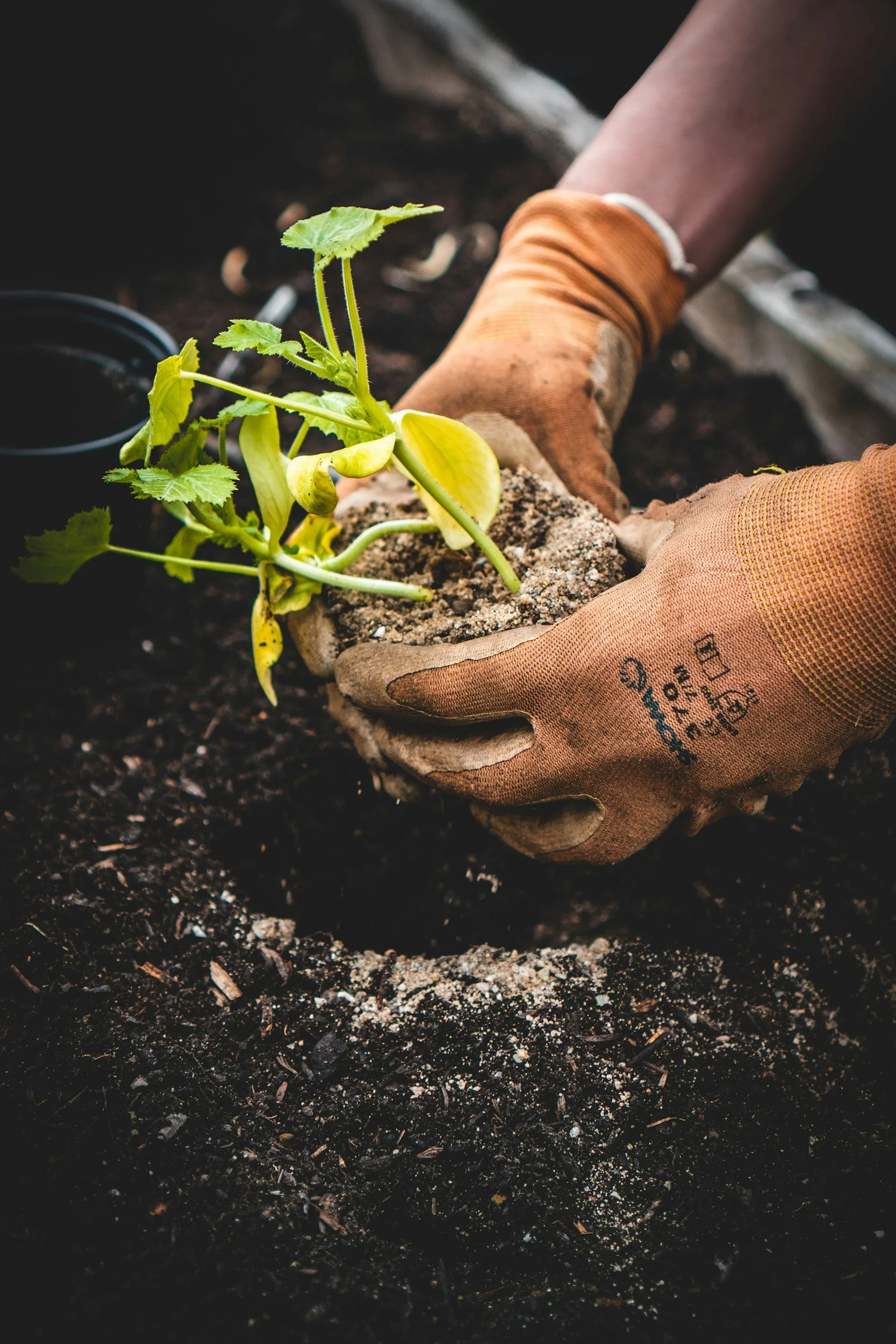
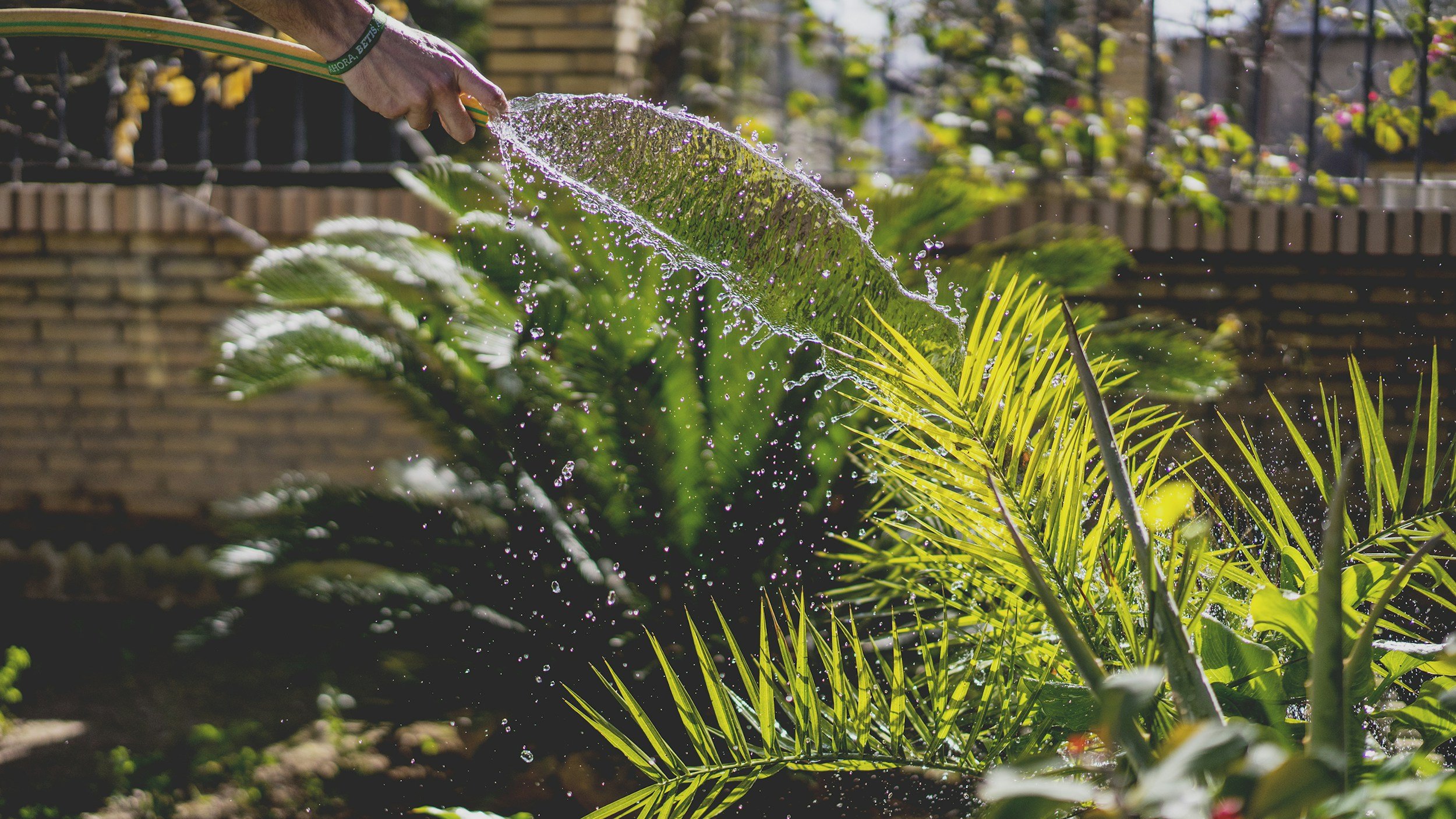
In this slower approach, small details become more significant. The texture of leaves, the subtle change in colour, the way a plant responds to weather. These observations create a deeper connection to the space. It also changes how you feel within it. A garden that is allowed to evolve feels more alive. Less like a project, and more like a relationship.
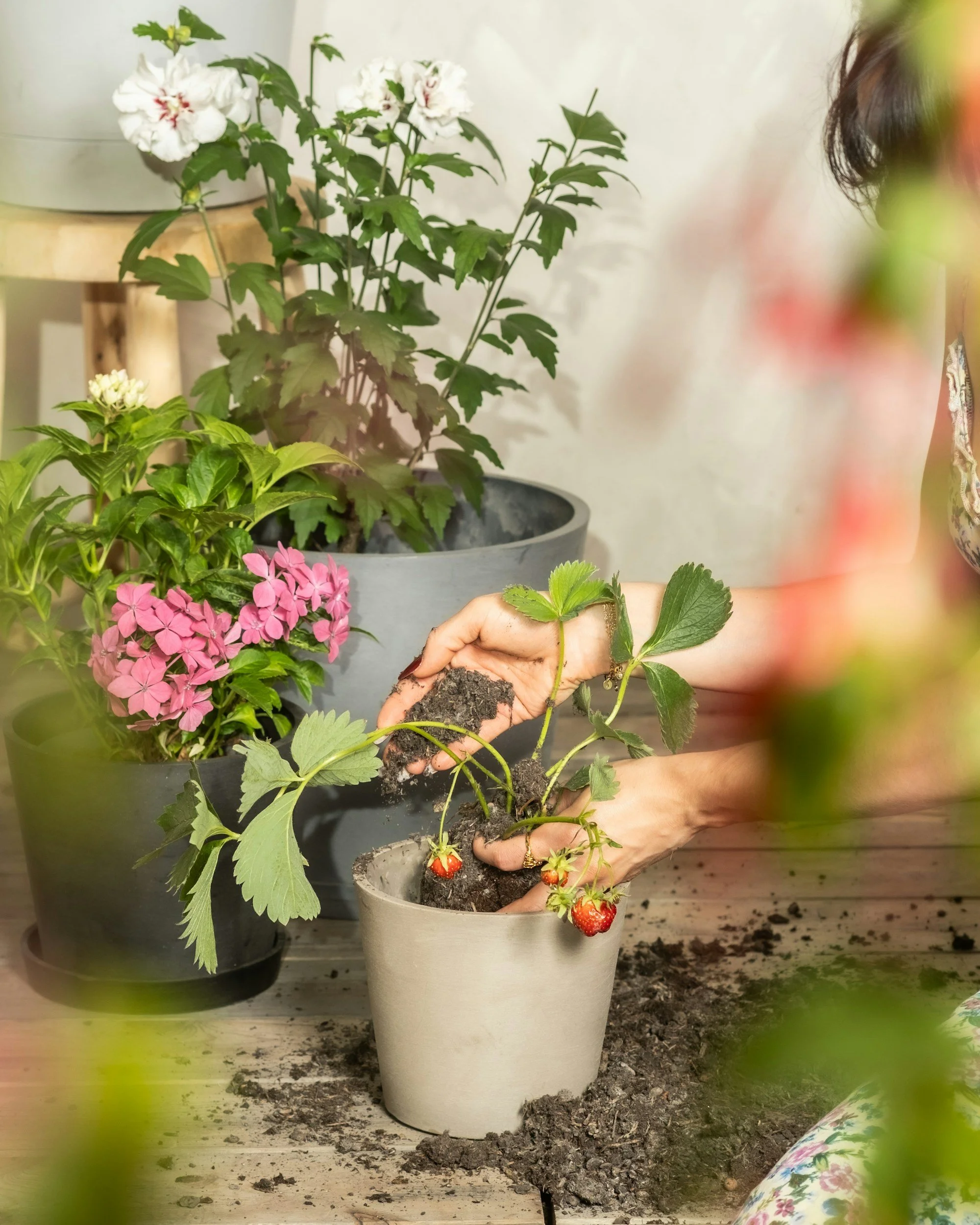
There is a certain humility in this way of working. You realise that you are not in control, but part of a larger system. Your role becomes supportive rather than directive. Perhaps this is why gardening can feel so restorative. It draws you out of urgency and into presence. It reminds you that growth takes time, and that not everything needs to be rushed.
In the end, a slowly tended garden becomes more than a space. It becomes a reflection of patience, attention, and quiet acceptance.