The Beauty of Having Less: Why I Am Learning to Choose Carefully
I have never really believed that a beautiful home needs to be filled with beautiful things. If anything, the older I become, the more I appreciate the space between them. A room can have wonderful furniture, beautiful fabrics, old objects, paintings and flowers, and yet still feel somehow restless. Another room can contain very little and feel completely right. I think the difference is often not what is in the room, but what has been chosen.
Choosing rather than collecting
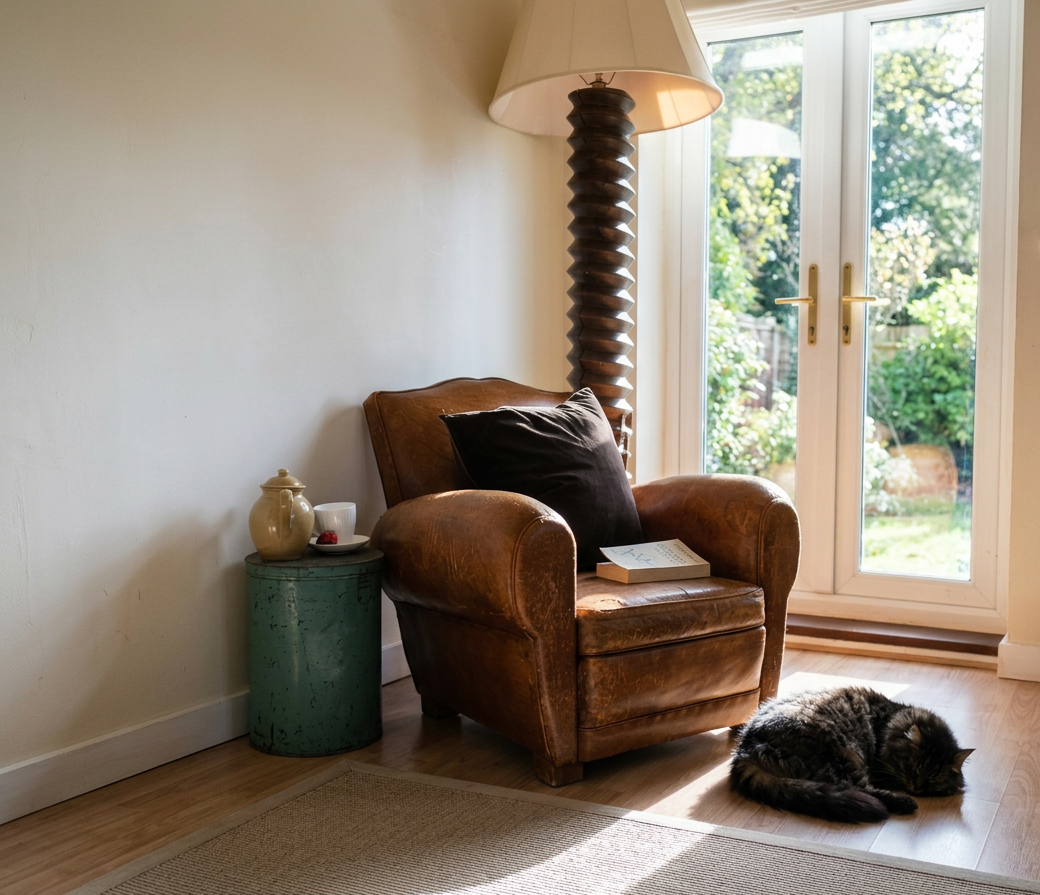
For a long time, I thought creating a beautiful home was largely about finding the right things. The right lamp. The right chair. The right vase. The right piece of art. Now I think it is much more about knowing when to stop.
There is a particular kind of calm that comes from not filling every corner. An empty surface can be beautiful. A bare wall can give a painting more importance. A single branch in a large ceramic vessel can say more than a shelf full of decorative objects. This isn't minimalism in the strict sense. I don't want to live without things. I want to live with things that have earned their place.
The things that stay
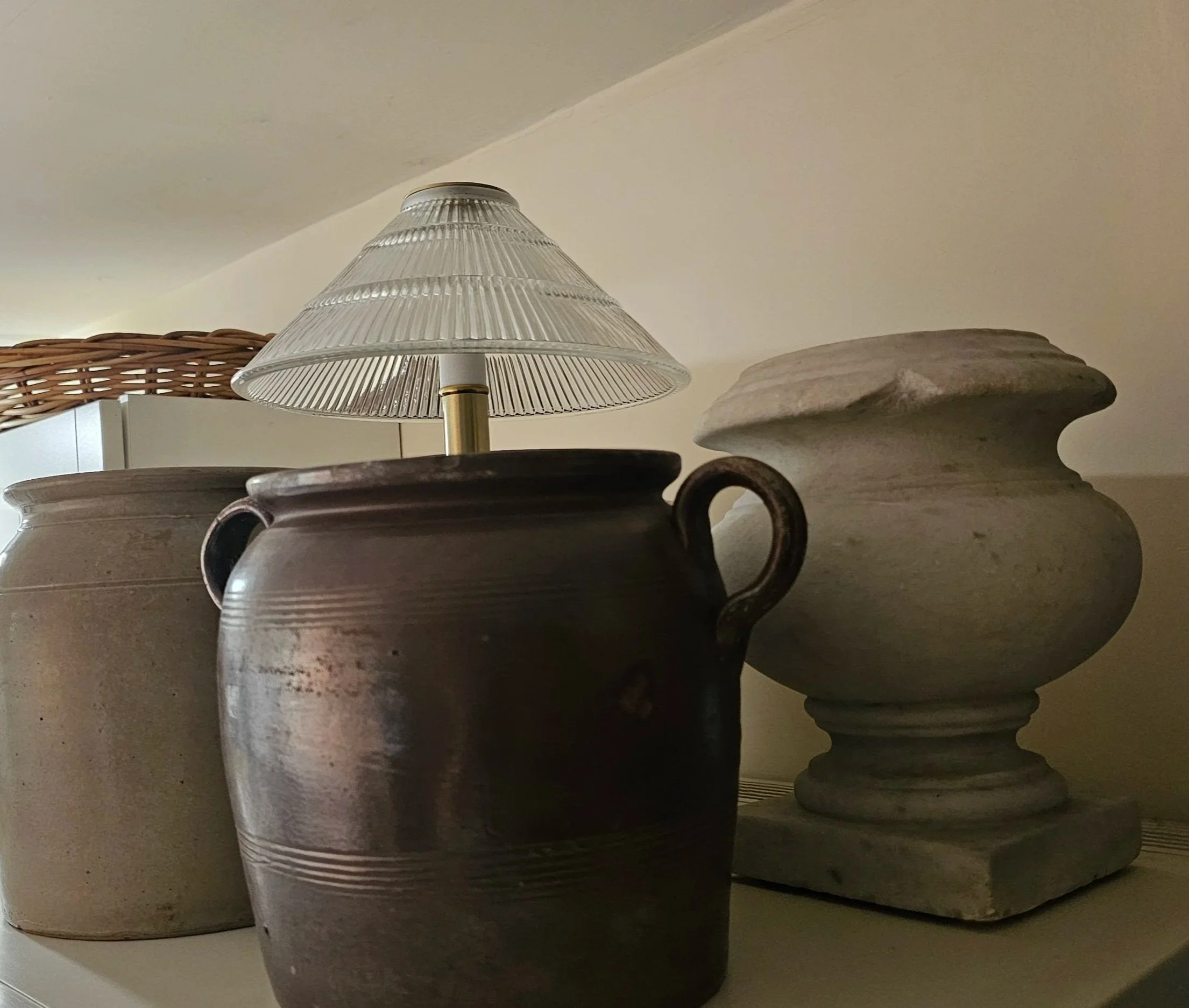
Some of my favourite objects are not necessarily the most expensive. They may be old. They may be imperfect. They may have acquired marks through use. A wooden table that has become smoother over the years. A linen cloth that has softened with washing. A ceramic bowl with a slightly irregular edge. A piece of furniture that has been moved from one home to another. These things have something that newness cannot immediately provide: a sense of life.
I am increasingly drawn to materials that become better through use rather than objects that need to remain pristine. Wood. Linen. Wool. Stone. Terracotta. Materials that develop character rather than simply displaying it.
The temptation to keep improving
There is always something else to buy. Something newer. Something more fashionable. Something that promises to make the room feel finished. But I have started to question the idea of a home ever being finished. Perhaps a home should be allowed to evolve. Flowers come and go. Paintings move. Furniture gets rearranged. Books accumulate. A chair becomes someone's favourite place to sit.
The garden changes with the seasons. Cats leave evidence that they live there. Life happens. And that, to me, is part of the beauty.
A quieter kind of luxury
I am increasingly interested in a quieter definition of luxury. Not abundance for its own sake, but quality. A really good towel. Beautiful bed linen. A well-made chair. A pan that you enjoy using. A glass that feels good in your hand. A beautiful painting in exactly the right place. These are small things. But they change everyday life.
There is something deeply satisfying about using an object that has been made well, rather than constantly replacing things because they were inexpensive or never quite right in the first place. For me, luxury is beginning to mean having fewer things, but better relationships with the things I own.
The importance of leaving space
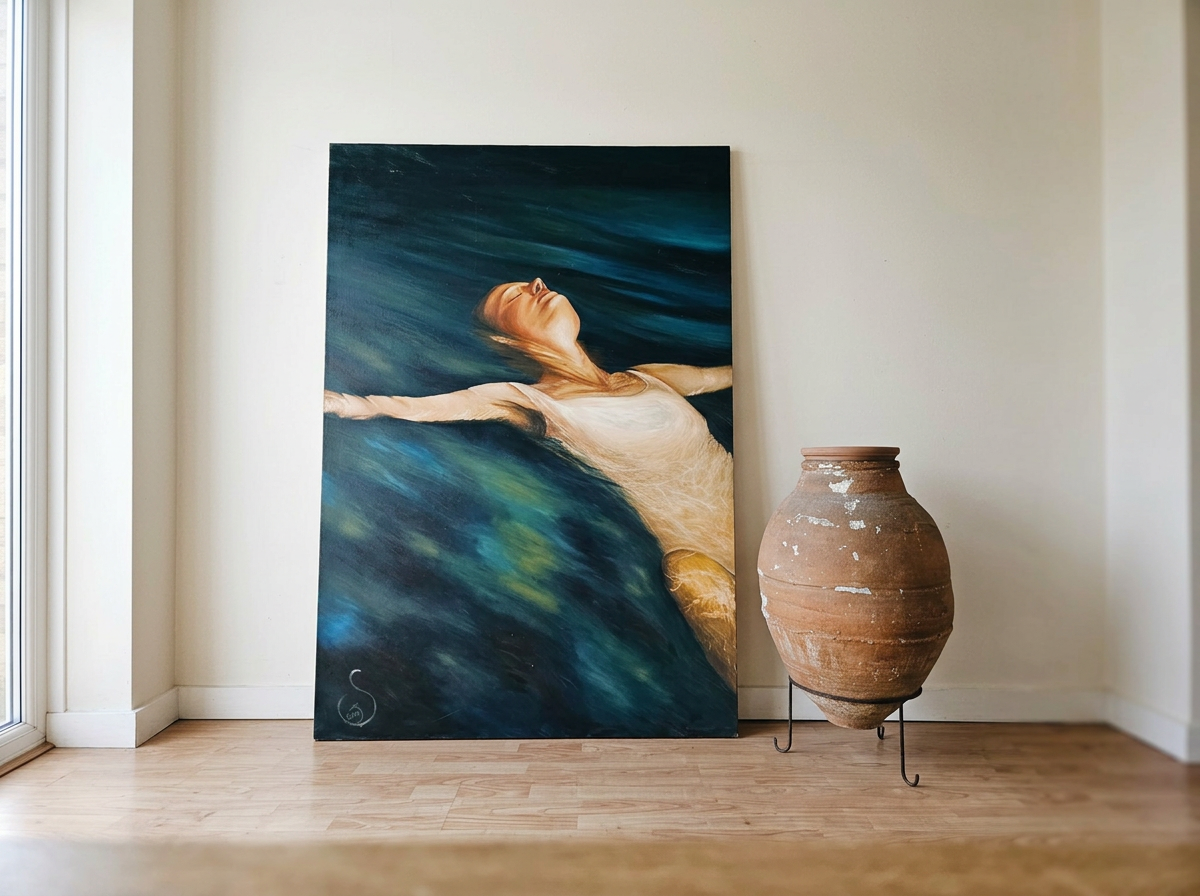
Space is not emptiness. It is part of the composition. I think about this when I paint. A painting needs quiet areas. It needs places where the eye can rest. Too much information weakens the things that matter. I find exactly the same principle applies to a home.
When every wall has something on it, every surface has been decorated and every corner has been filled, nothing has room to speak. Leaving space allows the important things to become visible. Perhaps this is why I am so drawn to calm interiors. They don't shout. They allow you to notice.
Buying more slowly
I am trying to become a slower shopper. Not because I don't enjoy beautiful things, I very much do. But because I want to ask better questions before I buy. Will I still love this in five years? Is it beautifully made? Does it work with what I already own? Will it become more beautiful with age? Does it make everyday life better? Would I rather have one excellent version than three mediocre ones? And perhaps the most useful question: If I didn't buy this, would I actually miss it?
Sometimes the answer is no. That is useful to know.
A home that feels like you
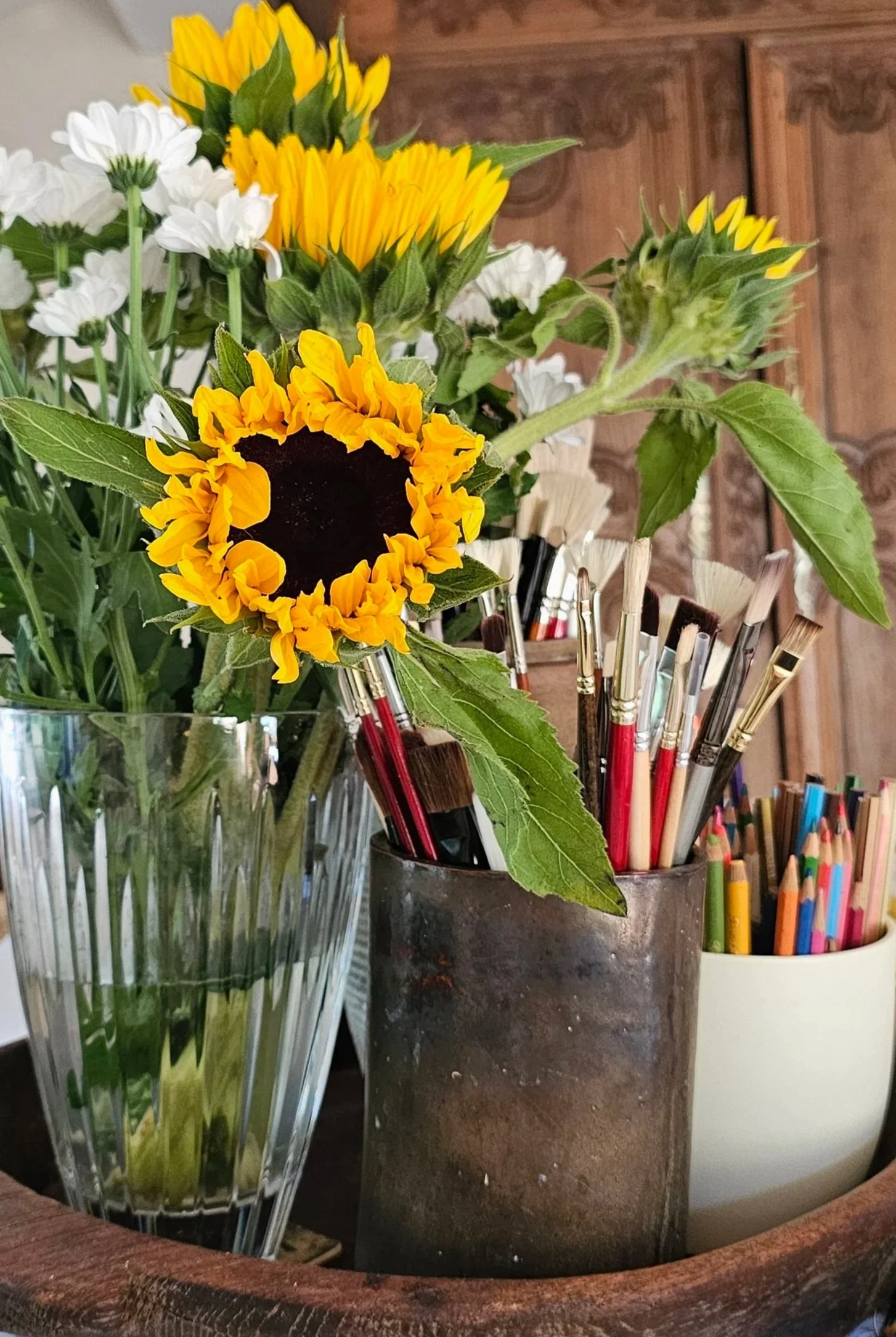
I don't want my home to look as though it has been assembled from a shopping list. I want it to feel as though a life has happened there. There should be paintings I love. Books I return to. Flowers from the garden. Objects collected slowly. Furniture that has survived several versions of my taste. Things inherited, found, made or simply kept because they have meaning.
The goal isn't perfection. It is recognition. To walk into a room and feel, this is mine.
Enough
Perhaps this is one of the changes that comes with getting older. You become less interested in impressing people with what you have and more interested in how your surroundings make you feel. Calm. Comfortable. Inspired. At home. I still love beautiful things. I probably always will. But increasingly, I want to choose them carefully. To leave room around them. To use them. To enjoy them.
And to let them become part of the life I am actually living. Because perhaps the most beautiful home isn't the one with the most things. It is the one where everything that remains has a reason to be there.