

Choosing Art for Each Room Using Feng Shui Principles
A home is not just a collection of rooms. It is a living emotional landscape. Each space holds a different kind of energy. Each room supports a different part of our lives. From a feng shui perspective, art is one of the most powerful tools we have for shaping how that energy moves, settles, and speaks to us. Not through rules. But through resonance.

Art as Energy, Not Decoration
In feng shui, everything carries chi, life-force energy. Art carries a particularly strong charge because it holds:
colour
movement
symbolism
emotional intention
When you hang a piece of art, you are not only styling a wall. You are shaping the emotional atmosphere of the room. This is why some artworks make a space feel calm and open, while others subtly disturb or overstimulate us. Your body always knows the difference.
A Gentle Feng Shui Approach to Choosing Art
Before we go room by room, there is one essential principle: there is no universally “correct” artwork. There is only artwork that feels right for you, in that space, at this moment in your life. Feng shui is not about control. It is about relationship., with your home, with your emotional state, with your evolving needs.
The Entrance: Setting the Emotional Tone
The entrance is where energy enters your home and your life. This space sets the tone for everything that follows.
Choose art that feels:
welcoming
hopeful
gently uplifting
calm rather than dramatic
Nature-inspired art, soft abstract pieces, and warm colour palettes work beautifully here.
Avoid anything that feels:
aggressive
chaotic
lonely
overly dark
Each time you come home, this artwork becomes your emotional reset.
The Living Room: Supporting Connection & Flow
The living room holds the energy of:
relationships
conversation
shared experience
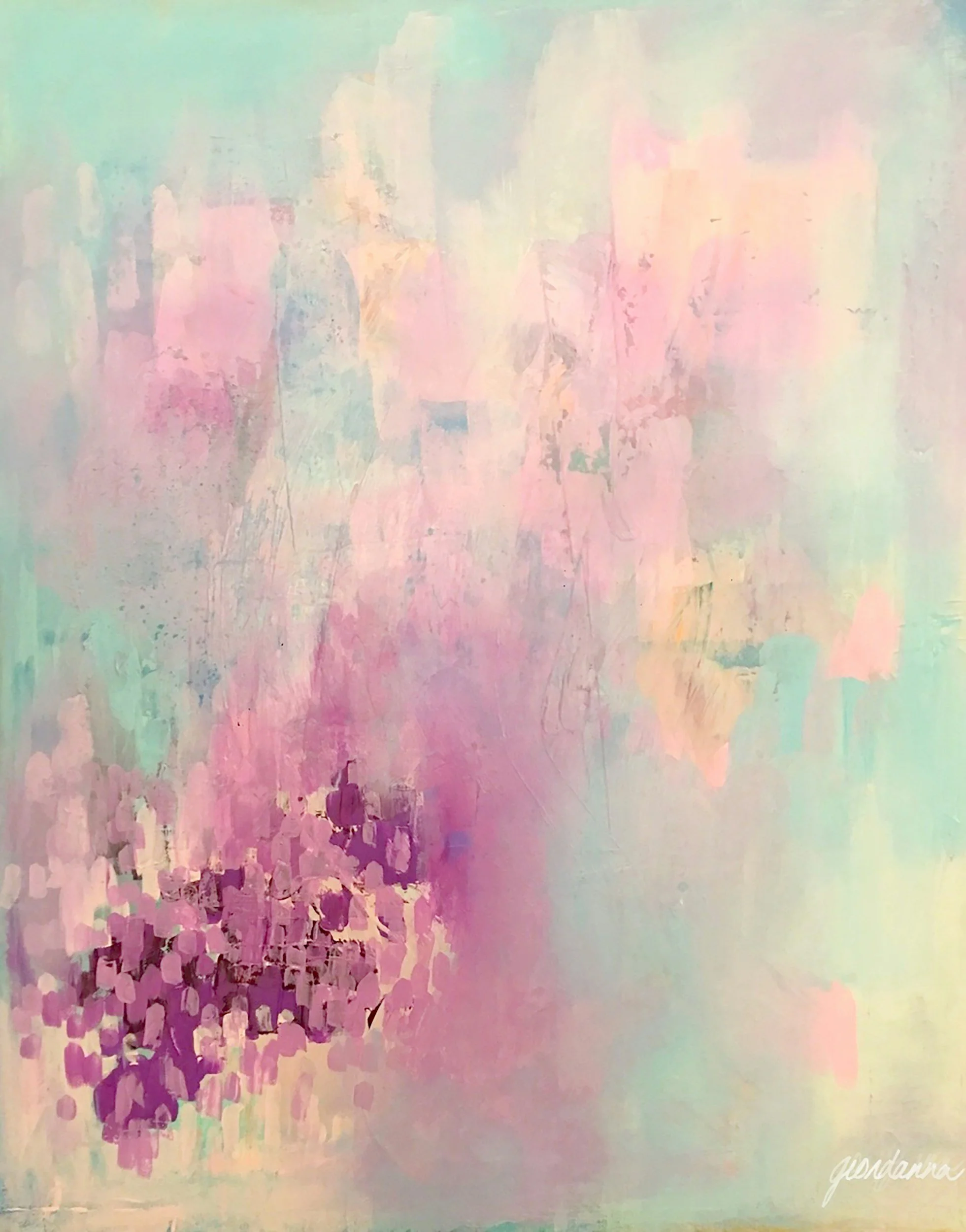
Art here should support openness and ease.
Look for:
balanced compositions
harmonious colours
organic shapes
imagery that invites reflection rather than demands attention
Abstract art works particularly well in living spaces because it allows different people to feel different things without conflict.
The Kitchen: Nourishment & Vitality
The kitchen represents nourishment, physical and emotional. It holds strong yang energy: heat, movement, activity. Art here should feel:
warm
lively
grounding
Consider:
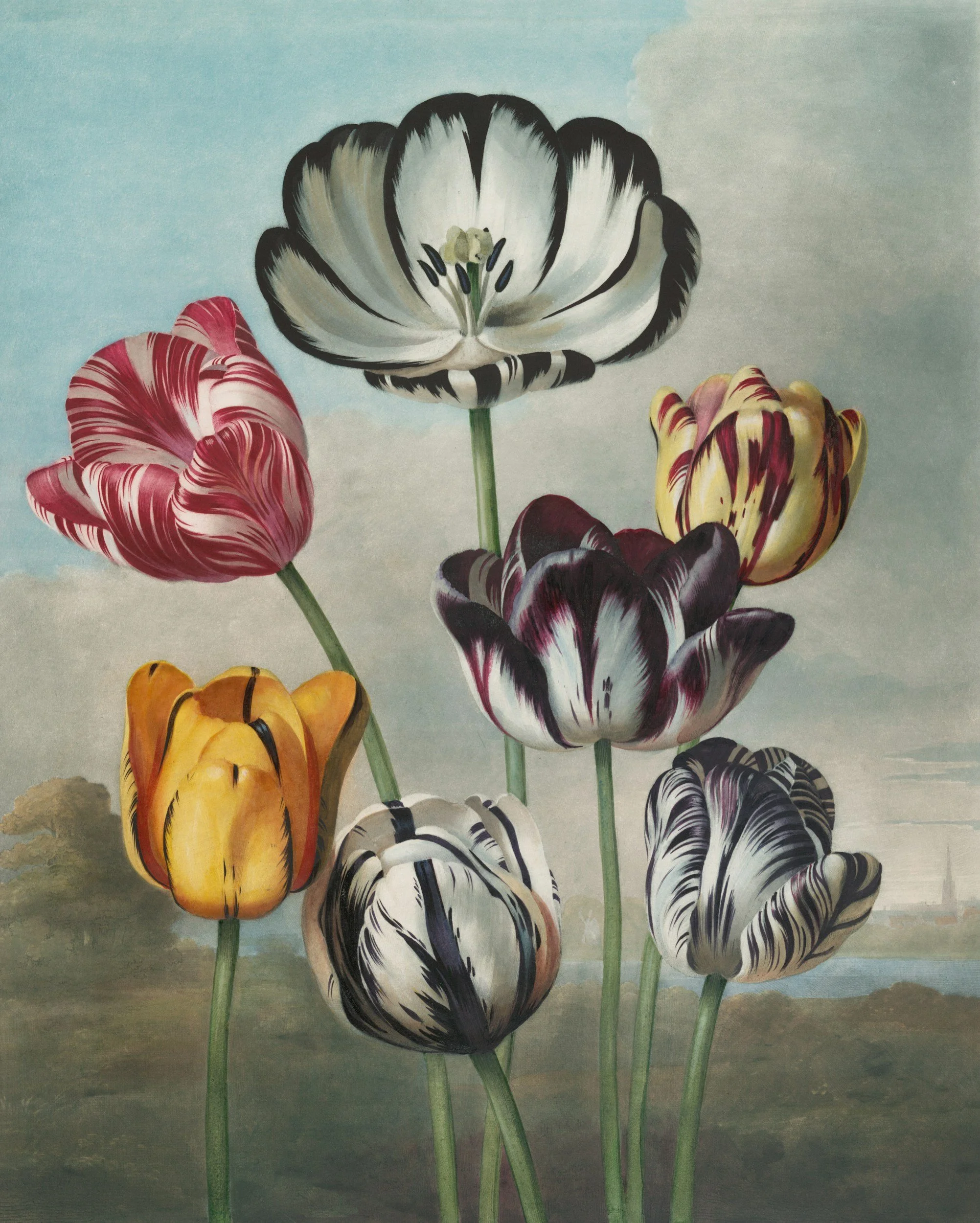
botanical imagery
gentle still life
earthy colours
playful abstract forms
Avoid overly cold, rigid, or sterile imagery. The kitchen should feel alive.
The Bedroom: Rest, Intimacy & Safety
The bedroom is the most emotionally sensitive space in the home. It holds rest, vulnerability, intimacy, and healing. Art here should support softness and safety.
Choose:
gentle movement
warm or neutral colours
subtle symbolism
calming abstract work
Avoid:
confrontational faces
chaotic compositions
lonely or sorrowful imagery
overly stimulating colour contrasts
The bedroom is not a gallery. It is a sanctuary.
The Workspace: Clarity & Focus
Workspaces hold mental energy. Art here should support clarity without pressure.
Choose:
minimal compositions
soft geometry
light-filled imagery
subtle abstract movement
Avoid anything that feels:
overwhelming
emotionally heavy
distracting
The goal is gentle stimulation, not intensity.
The Bathroom: Release & Renewal
The bathroom represents cleansing and release. It is a deeply feng shui–active space. Art here should support lightness and flow.
Choose:
water imagery
soft blues and neutrals
organic shapes
simple abstract forms
Avoid heavy, dark, or emotionally charged artwork. This space should feel like an exhale.
The Garden & Outdoor Spaces: Expansion & Grounding
Outdoor spaces hold grounding and expansive energy. They reconnect us with nature and the larger rhythms of life. Art in gardens or terraces should feel:
durable
natural
harmonious with surroundings
Sculptural forms, ceramic pieces, and weather-resistant artworks work beautifully here. Garden art should feel like it belongs to the earth, not imposed upon it.
Trusting Your Body Over Your Eyes
One of the most important feng shui principles is this: your nervous system is your best consultant. Stand in front of an artwork. Notice:
your breath
your shoulders
your jaw
your stomach
If your body softens, the artwork is supportive. If your body tightens, something is off. This response is always more accurate than trend or theory.
When to Move Art Instead of Buying More
Often, imbalance in a home does not require new art. It requires relocation. Moving a piece from one room to another can completely transform both spaces. Energy evolves. So should your art placement.
Closing Reflection
Choosing art using feng shui principles is not about getting it right. It is about listening: listening to your home, listening to your body, listening to your emotional needs. When art is placed with awareness, it becomes more than decoration. It becomes emotional architecture. Art should support the life you are actually living, not the one you think you should be living. And when it does, your home becomes not just beautiful… …but deeply kind to you.