

Using Art & Feng Shui to Set Intentions for the New Year
At the beginning of each year, I always feel a quiet pull to reset, not in a dramatic way, but gently. A clearing of space. A soft recalibration of energy. Over time, I’ve realised that art plays a much bigger role in this process than I once thought.
For me, art is not something separate from daily life. It lives alongside morning light, houseplants, quiet moments, and the subtle rhythms of home. When combined with feng shui principles, it becomes a powerful way to set intentions for the year ahead without pressure or perfection.
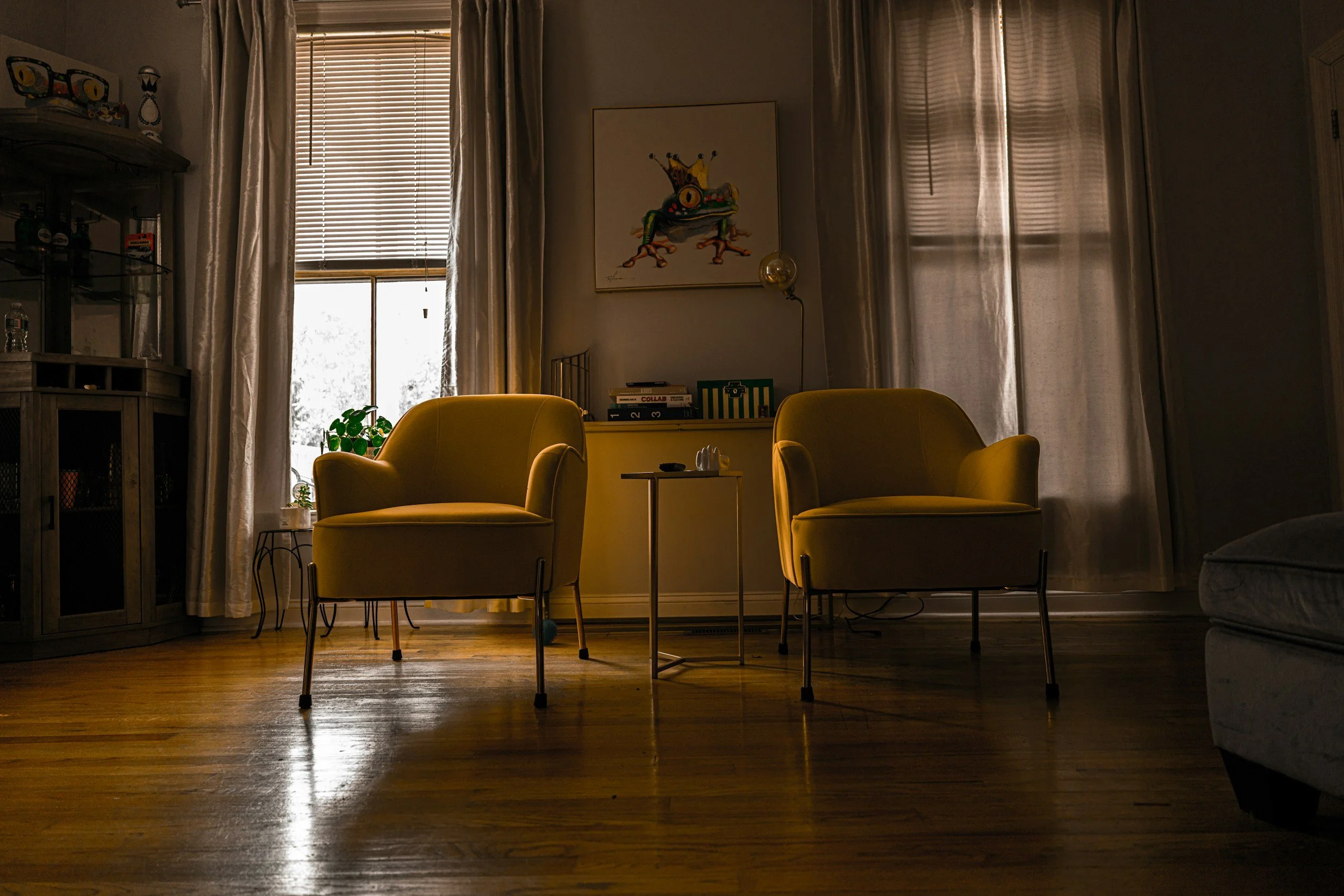
Beginning with Awareness, Not Change
Before moving anything or choosing new artwork, I like to pause and notice how my space already feels.
Which areas feel calm and supportive?
Which feel heavy, stagnant, or overlooked?
Feng shui teaches us that energy reflects how we live. Art, in this sense, becomes a mirror revealing emotional undercurrents we may not consciously notice.
I’ve learned that setting intentions doesn’t start with adding more, but with becoming aware of what’s already present.
Letting Art Hold Intention
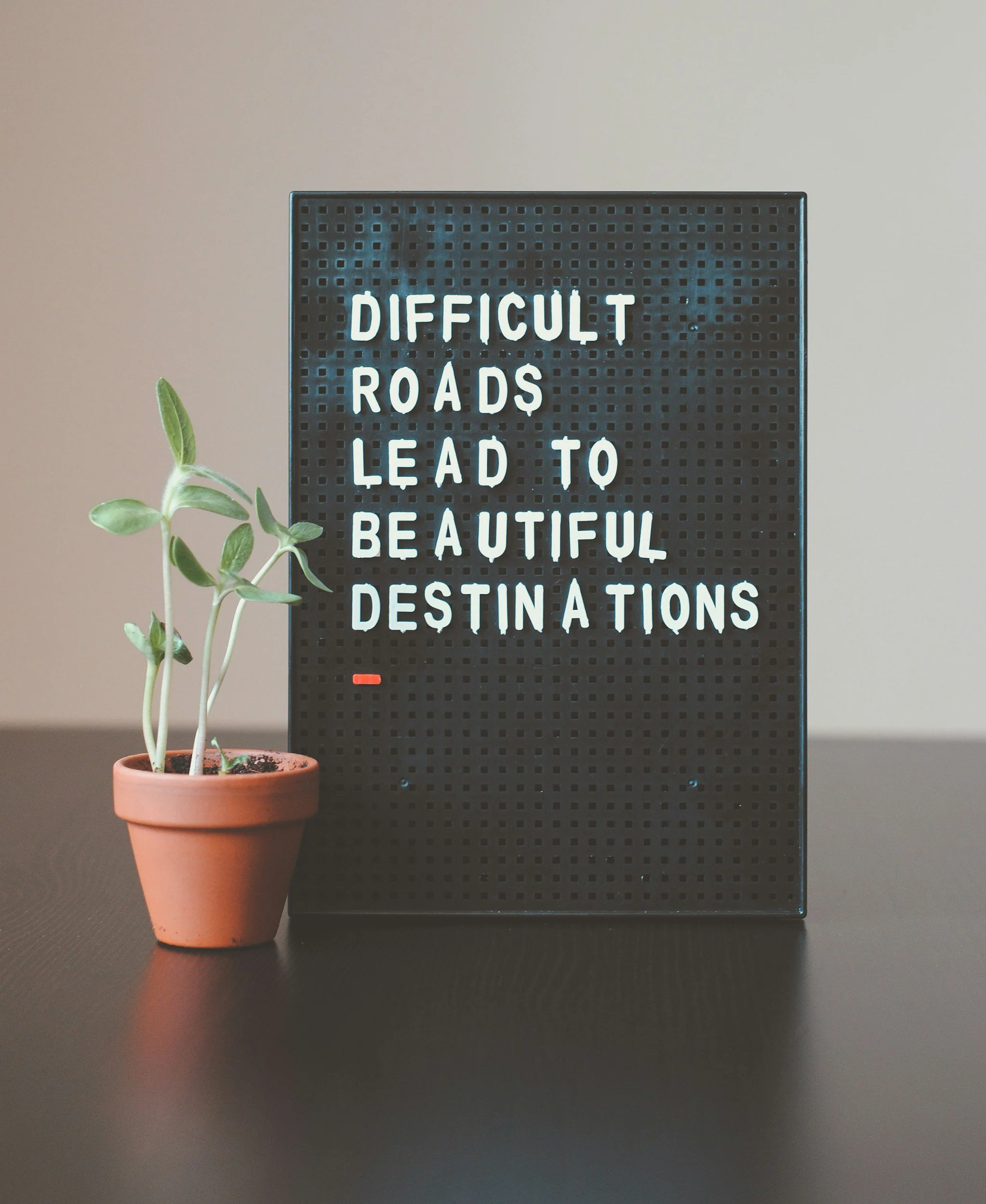
Rather than writing resolutions, I now prefer to let one or two artworks hold my intention for the year.
This might be a piece that evokes clarity, softness, courage, or grounding. I don’t overthink the symbolism, I simply notice how my body responds to it.
Art carries emotion without words. When placed intentionally, it becomes a quiet reminder of how I want to move through the year.
The Entrance: Setting the Tone
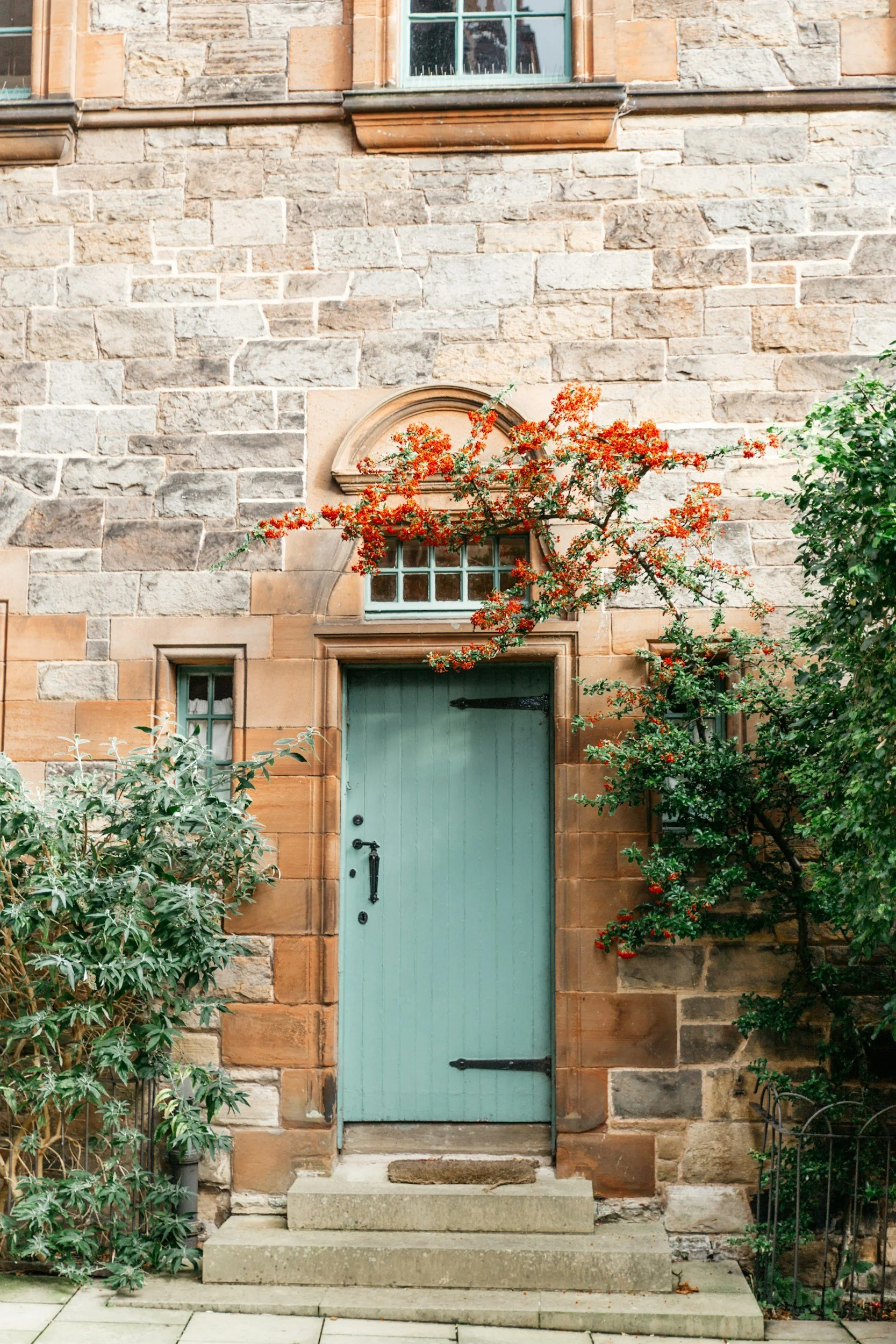
In feng shui, the entrance is where energy enters the home and the year.
I like to keep this space clear and welcoming, choosing art that feels open and uplifting. Something that says, you are safe here, this is a place of ease.
Each time I return home, that artwork gently resets me. It reminds me of the intention I set without effort.
Living Spaces: Supporting Connection
In shared spaces, I choose art that encourages flow and connection rather than stimulation.
Balanced compositions, natural colours, and organic forms support conversation and presence. These are the spaces where intentions around relationships, creativity, and belonging quietly take shape.
Feng shui doesn’t ask us to control energy only to support it. Art becomes one of the most intuitive ways to do this.
Avoid aggressive art work or art work that are too red as this can stimulate tension or conflict.
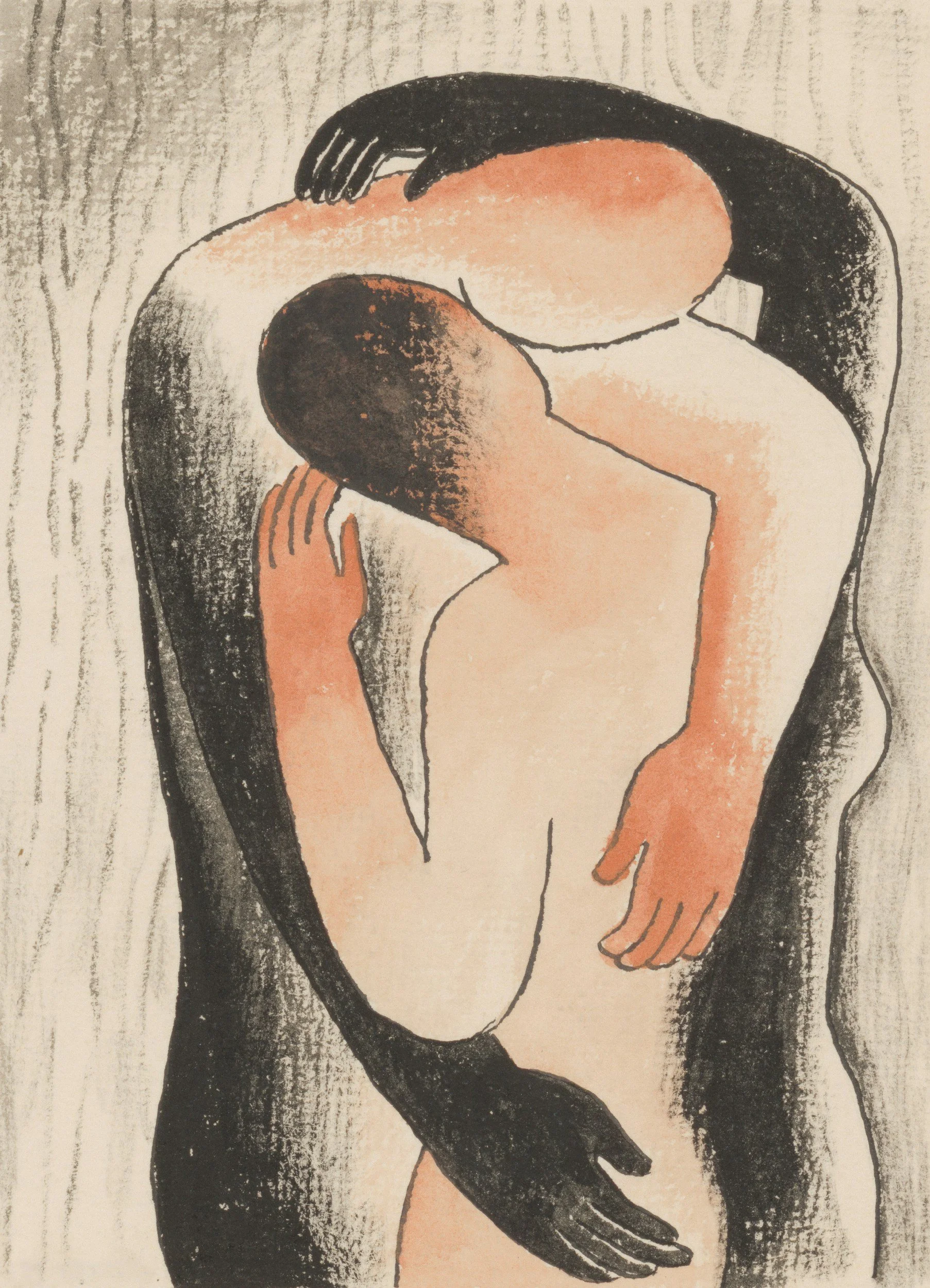
Private Spaces: Allowing Softness
Bedrooms and personal corners are where intention becomes deeply personal.
Here, I lean toward softer imagery, abstract forms, and calming palettes. These works support rest, reflection, and emotional processing.
The intention here is not productivity, but kindness towards ourselves, our bodies, and our inner lives.
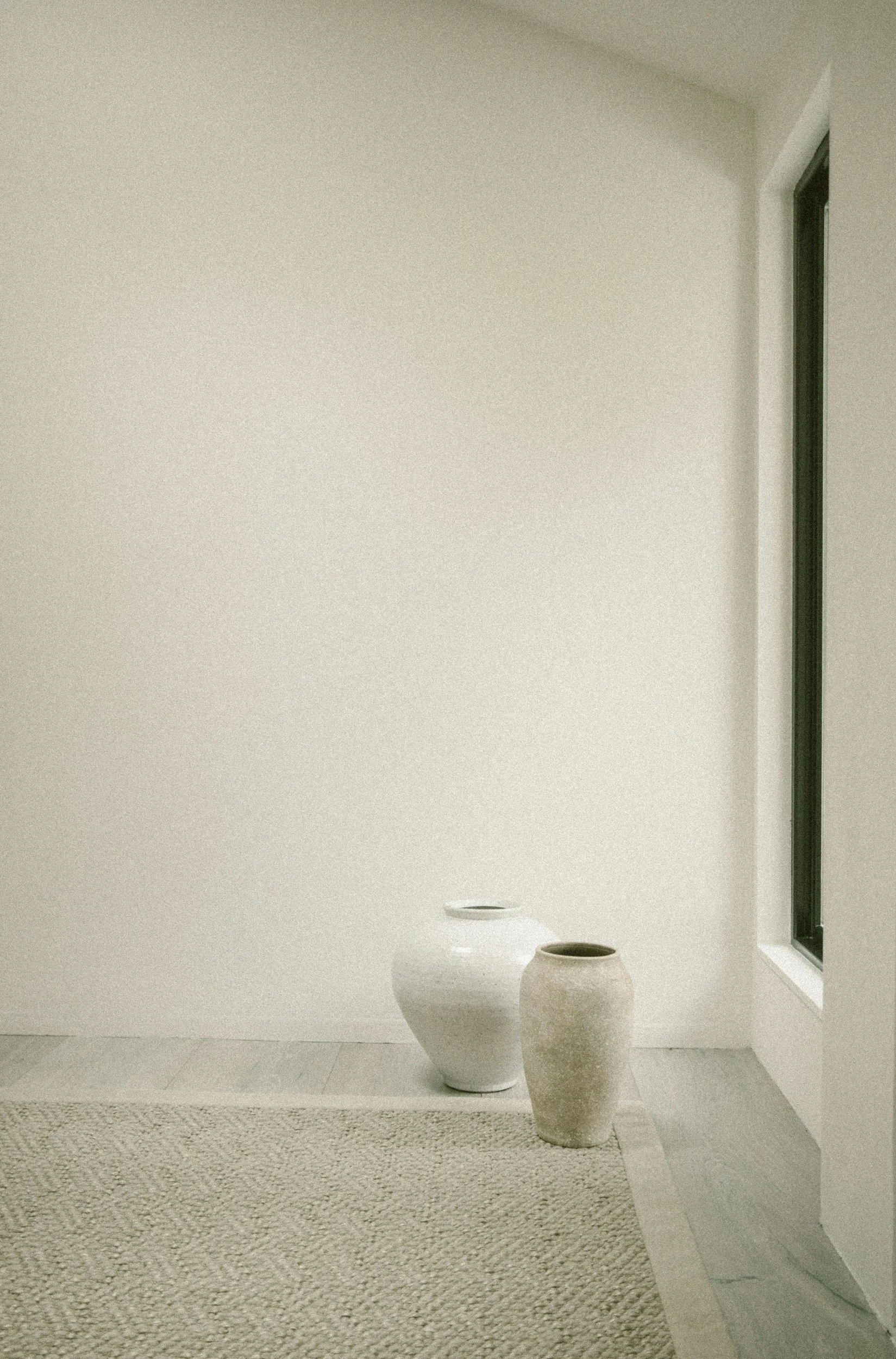
Working with Change, Not Against It
One of the most important lessons art and feng shui have taught me is to work with change rather than resist it.
If a piece no longer feels right, I allow it to move. If a wall feels empty, I let it stay that way until something truly resonates.
Intentions shift. Energy evolves. Art gives us permission to honour that.
A Quiet Ritual, Repeated Daily
The most powerful aspect of using art to set intentions is that it becomes a daily, living ritual.
You don’t need to remember affirmations or track progress. The artwork simply waits for you offering presence, grounding, and reflection whenever you pass by.
Over time, intention becomes less about achieving something and more about how you feel while living.
Moving into the New Year
As the new year begins, I’m not asking my home to become something else. I’m asking it to support who I’m becoming.
Through art, placed with care and intention, the space gently responds.
And that, to me, is the quiet magic of combining art and feng shui not changing life, but creating the conditions for it to unfold naturally.