

How Creative Practice Supports Mindfulness
In a world that often moves quickly and demands constant attention, many people are searching for ways to slow down and reconnect with the present moment. Mindfulness has become an important practice for cultivating calm, awareness, and balance in everyday life.
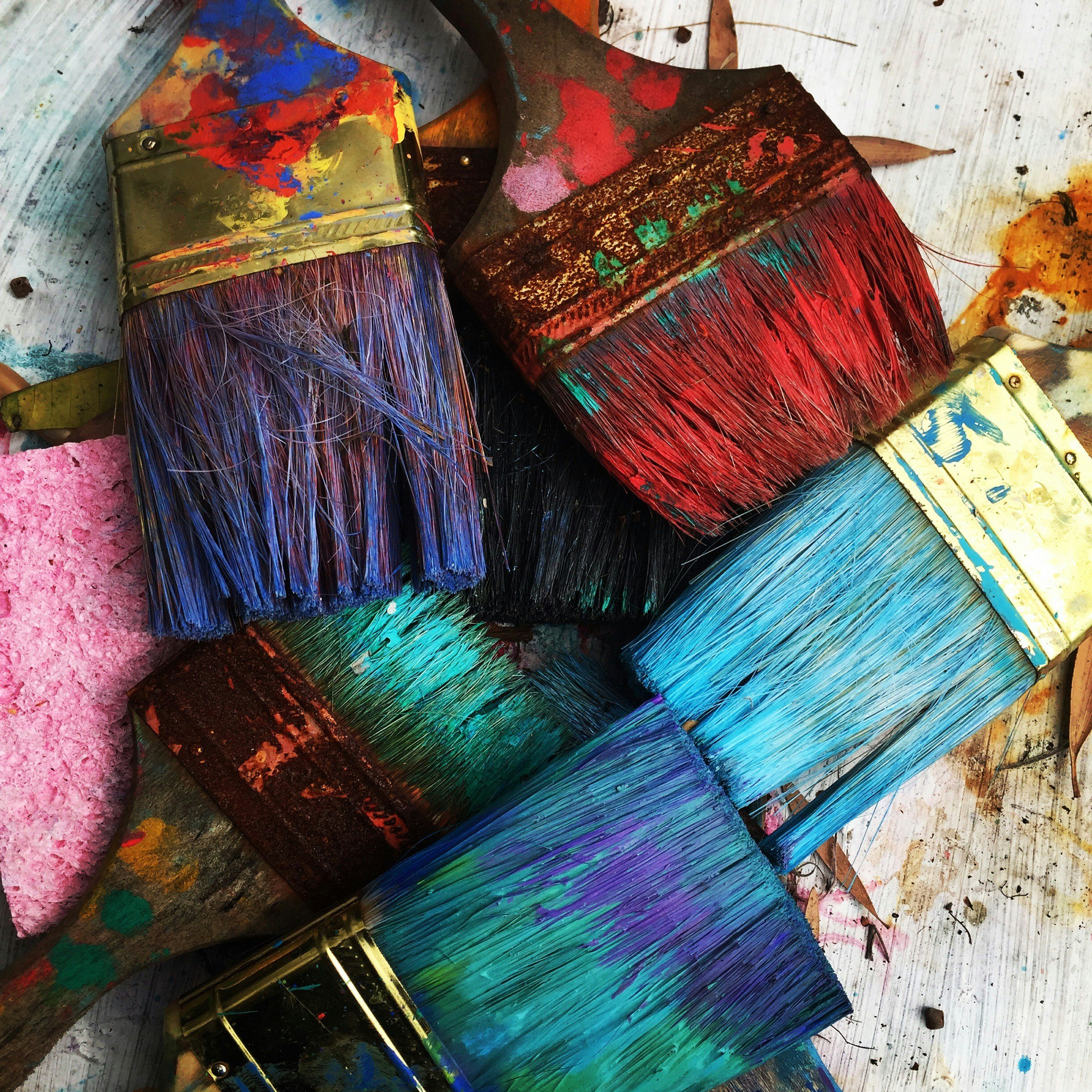
Creative activities such as painting, drawing, sculpture, writing, or photography offer a powerful and natural way to experience mindfulness. When we create, we become absorbed in the process. Our attention shifts away from worries about the past or future and settles gently into the present moment.
Creative practice is not only about producing art. It is about engaging fully with the act of making.
Creativity as a Form of Presence
Mindfulness is often described as the ability to focus attention on the present without judgement. Creative work naturally encourages this kind of awareness.
When an artist mixes colours, shapes clay, or sketches lines across paper, the mind begins to quiet. Small details become more noticeable — the movement of the hand, the texture of materials, the subtle changes in light and colour.
These moments draw attention away from external pressures and toward the sensory experience of creation. Even simple creative actions can create a sense of calm concentration.
In this way, art becomes a doorway into mindfulness.
Slowing the Pace of Thought
Many people find that their thoughts move quickly throughout the day. Work, responsibilities, and digital distractions can create a constant stream of mental activity.
Creative practice invites the mind to slow down. Painting a canvas or developing a sculpture takes time. There is no need to rush the process.
Instead, the artist becomes immersed in gradual exploration — adding a layer of colour, adjusting a shape, stepping back to observe. This slower rhythm naturally encourages patience and reflection.
Over time, this practice can help develop a more balanced relationship with time and attention.
Letting Go of Perfection
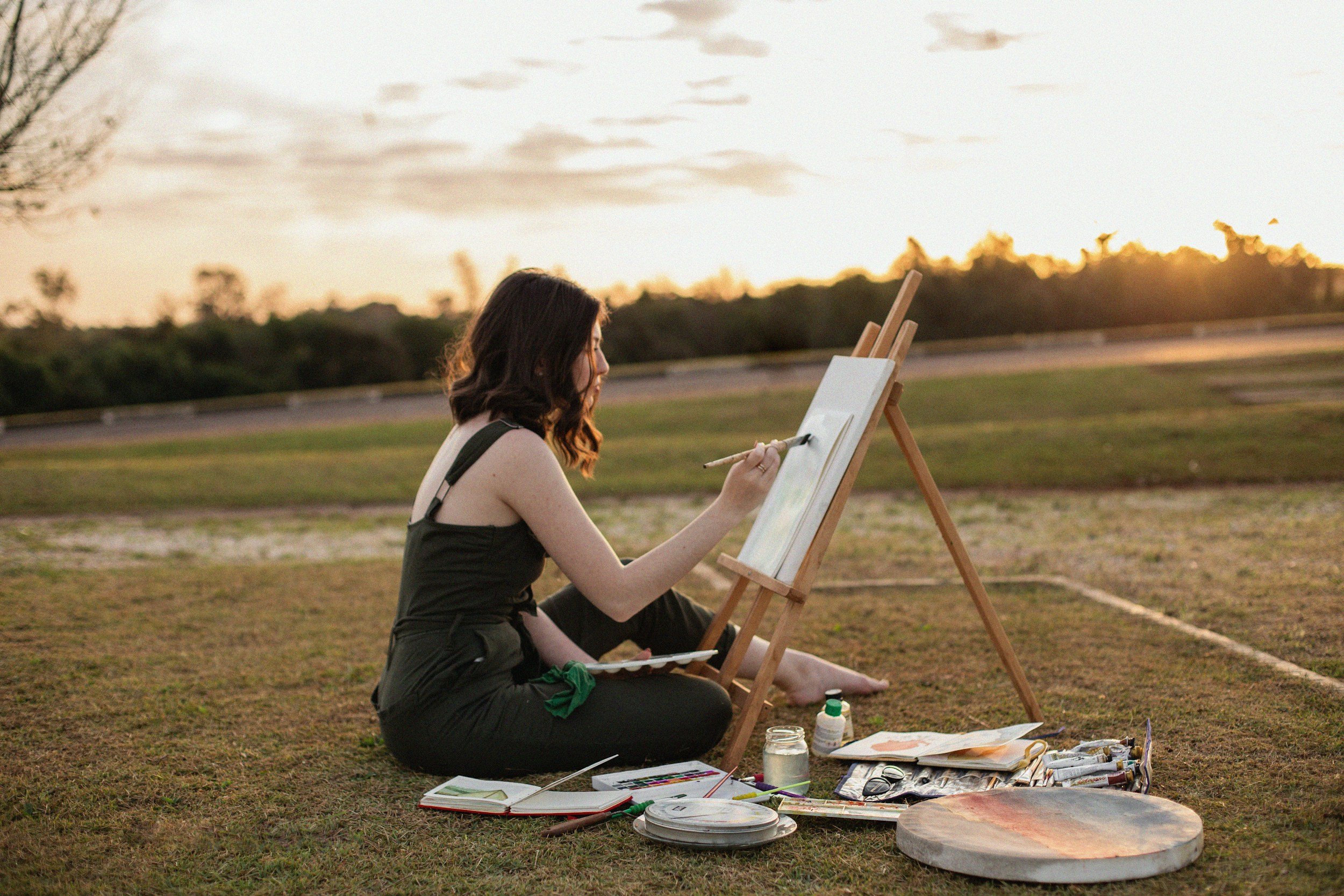
One of the most valuable aspects of creative mindfulness is the freedom to let go of perfection. When art is approached with curiosity rather than pressure, it becomes a space where experimentation and mistakes are welcome.
Mindfulness encourages acceptance of the present moment exactly as it is. Similarly, creative practice allows unexpected results to become part of the work rather than something to resist.
This attitude can be deeply liberating. It reminds us that creativity is not about flawless outcomes but about exploration, learning, and expression.
Connecting Emotion and Expression
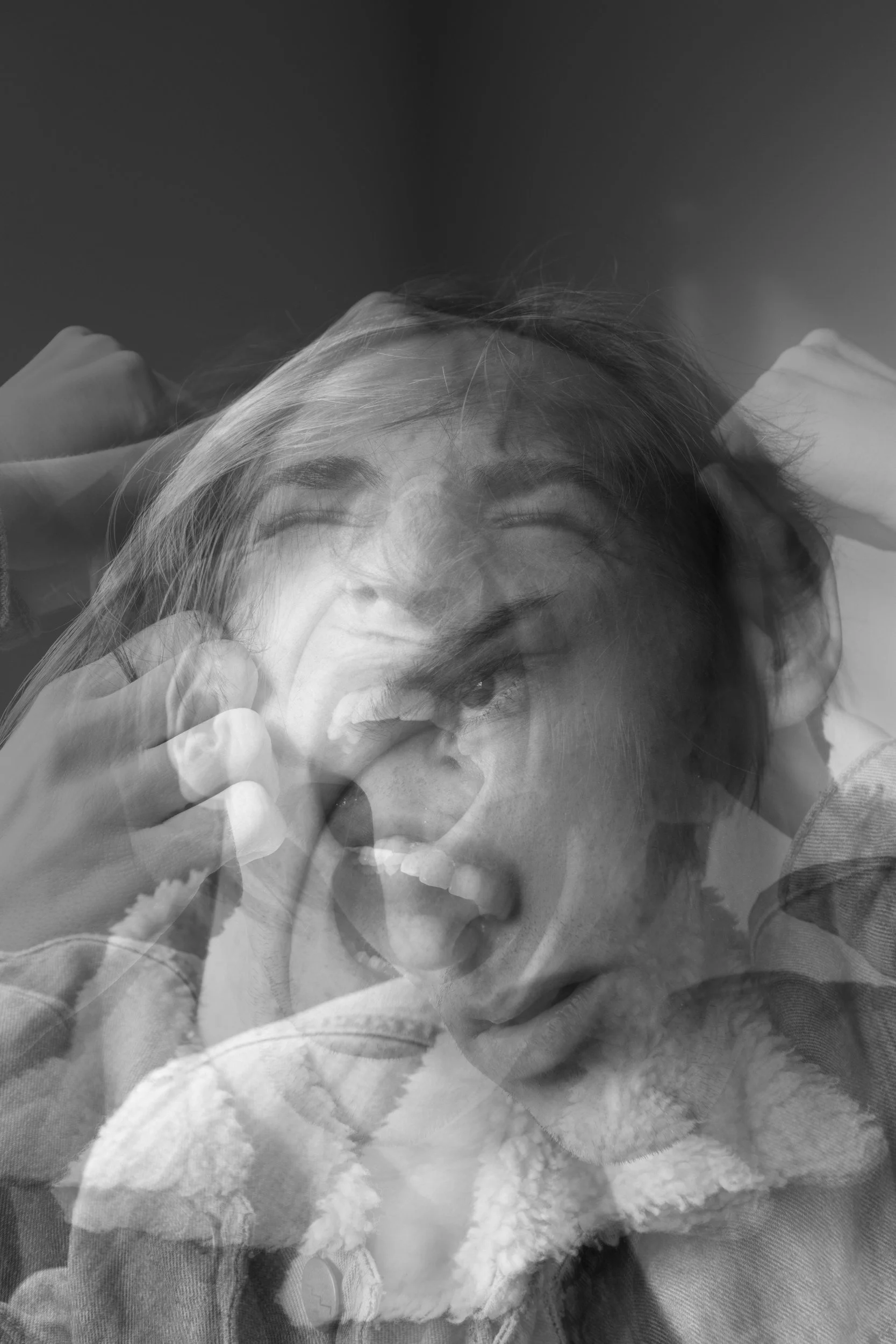
Art also offers a gentle way to process emotions. Feelings that may be difficult to describe with words can often be expressed through colour, shape, or texture.
A calm landscape painting might reflect a desire for peace. Bold abstract forms might express energy or change. Through creative practice, emotions can move from the internal world into visual form.
This process can bring clarity and emotional balance, helping individuals understand their inner experiences with greater awareness.
The result is often a sense of release and insight.
Creating Ritual and Routine
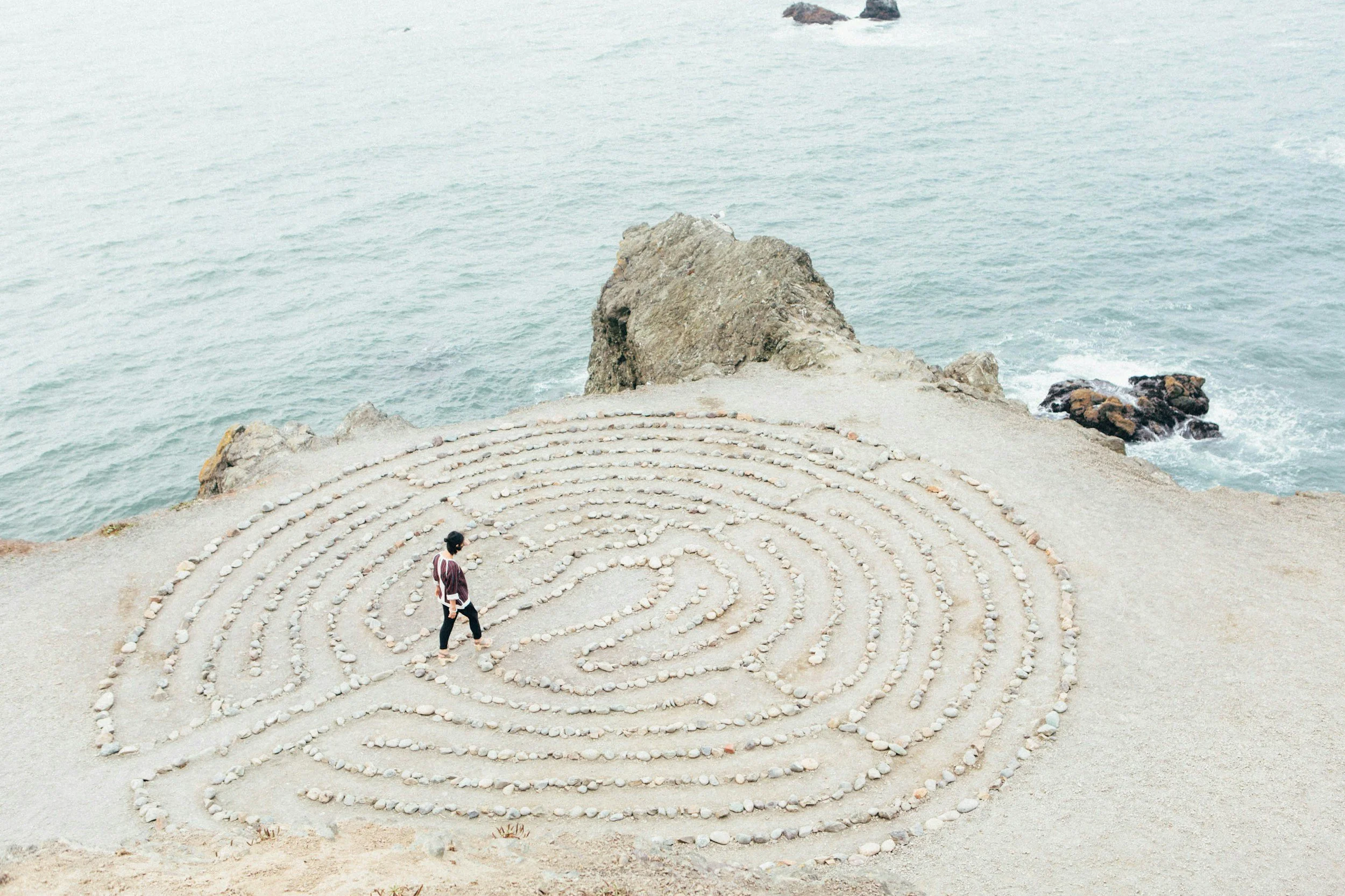
Mindfulness grows through regular practice, and creative routines can support this rhythm.
Setting aside time each week for painting, sketching, journaling, or any artistic activity can become a quiet personal ritual. Even short creative sessions provide moments of stillness within busy days.
These rituals signal to the mind that it is time to slow down and focus inward. Over time, the creative space becomes associated with calm, reflection, and presence.
Many artists describe their studio or creative corner as a place where the outside world fades away for a while.
Creativity Beyond the Studio
Creative mindfulness does not need to be limited to traditional art-making. Everyday activities can also become mindful creative practices.
Arranging flowers in a vase, designing a garden space, photographing natural patterns, or even cooking a meal with care can all involve creativity and attention.
What matters most is the intention to engage fully with the experience. When attention is present, even simple creative acts can become deeply restorative.
The Quiet Value of Creative Practice
In modern life, productivity is often measured by efficiency and results. Creative practice offers a different kind of value.
The act of making something — even without a clear outcome — can nourish the mind in subtle ways. It allows space for reflection, imagination, and emotional balance.
Mindfulness encourages awareness of the present moment, and creativity provides a natural path into that awareness.
Together, they form a gentle practice that supports wellbeing and personal growth.
A Creative Path to Calm
Art and mindfulness share a common goal: to bring attention back to the present and allow space for thoughtful reflection.
Whether someone paints regularly, sketches occasionally, or simply explores creative hobbies, the act of making can provide moments of calm within daily life.
Creative practice reminds us that beauty, expression, and mindfulness are not separate ideas. They are connected experiences that invite us to slow down, observe carefully, and appreciate the quiet richness of the present moment.